Each June, the animation industry's professionals arrive in a city that spends the rest of its year thinking about mountains and water.
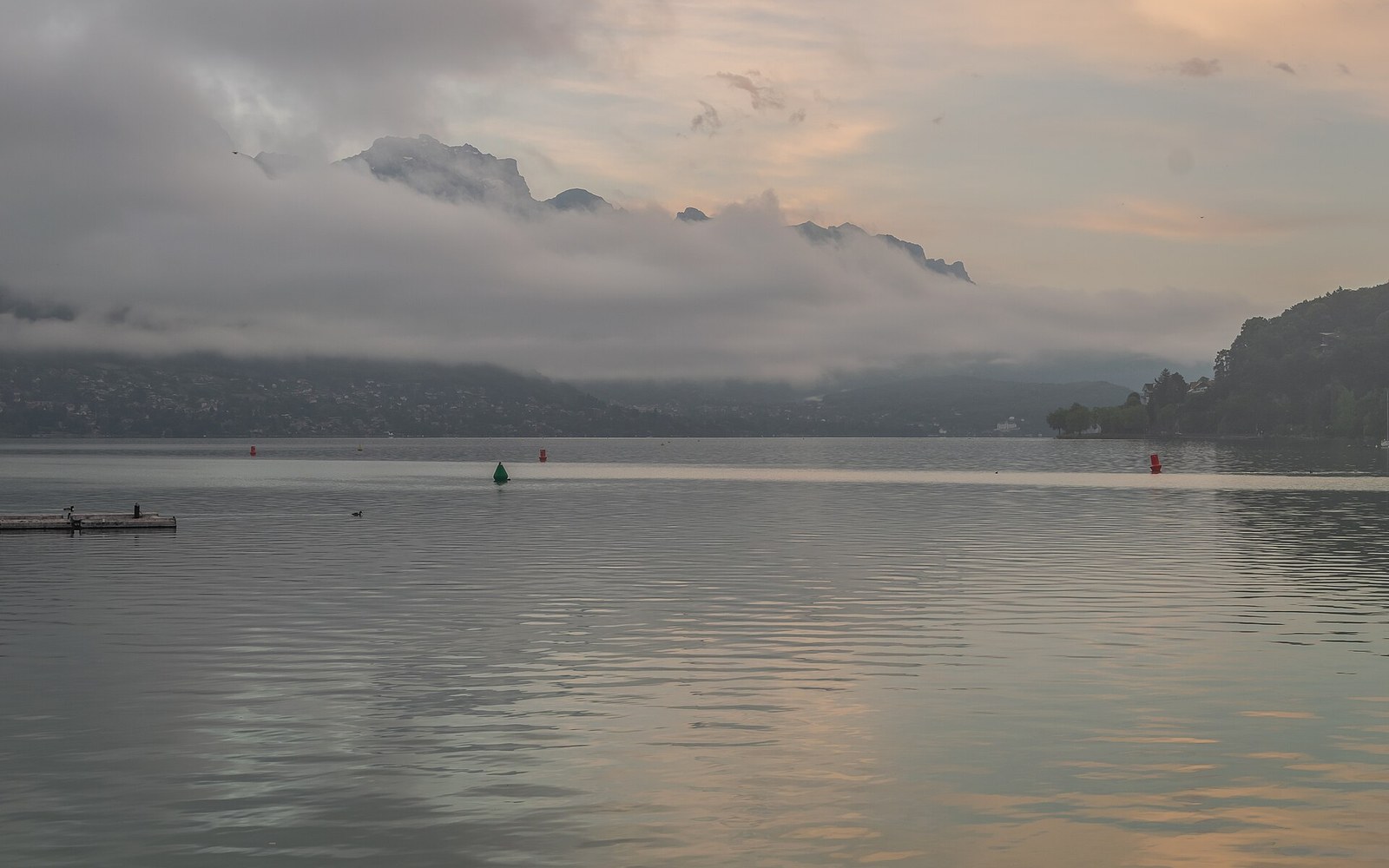
Each June the city fills with an industry that has nothing to do with snow.Photo: Lake Annecy (2) · Wikimedia Commons
A Lakeside Stage for a Global Industry
The Annecy International Animation Film Festival has been held in the city since 1960, making it one of the oldest dedicated animation events in the world. It began as a section of the Cannes film festival before establishing an independent home on the shores of Lac d'Annecy, and it now runs annually each June, drawing producers, directors, commissioners and studio representatives from across Europe, North America and Asia. The International Animated Film Association — known by its French acronym ASIFA — co-founded the event and remains formally attached to it, giving the festival its accreditation within the global film industry calendar.
The festival's programme divides into competitive screenings, an open-air evening projection on the lake's edge that has become its most publicly visible event, and the Mifa — Marché International du Film d'Animation, the animation-specific trade market that runs alongside. The Mifa is where the commercial weight of the week concentrates: co-production deals are discussed, distribution rights negotiated, and projects pitched to commissioners who have travelled specifically for those conversations. For the studios and independent producers who attend, the market justifies the trip as much as the screenings do.
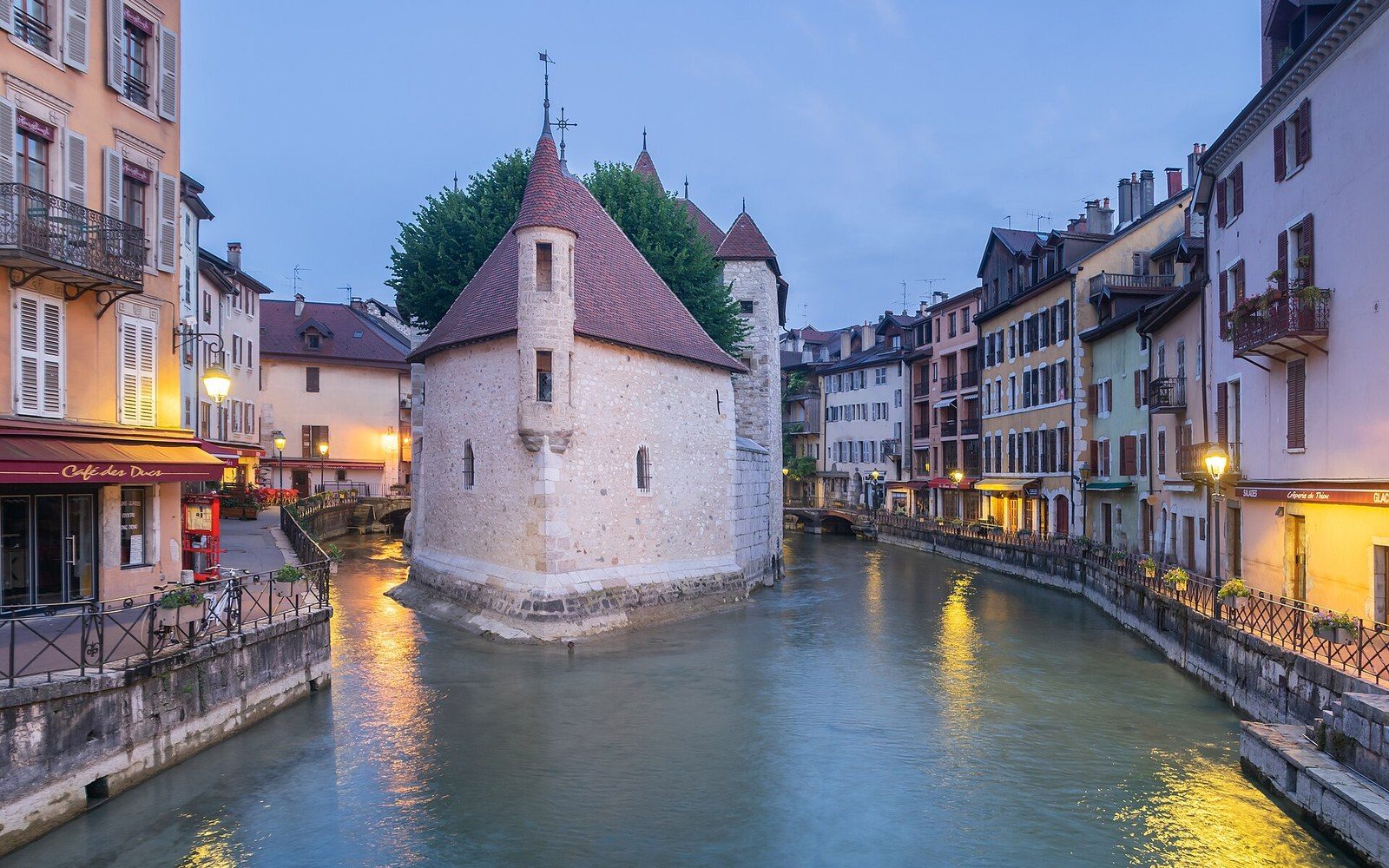
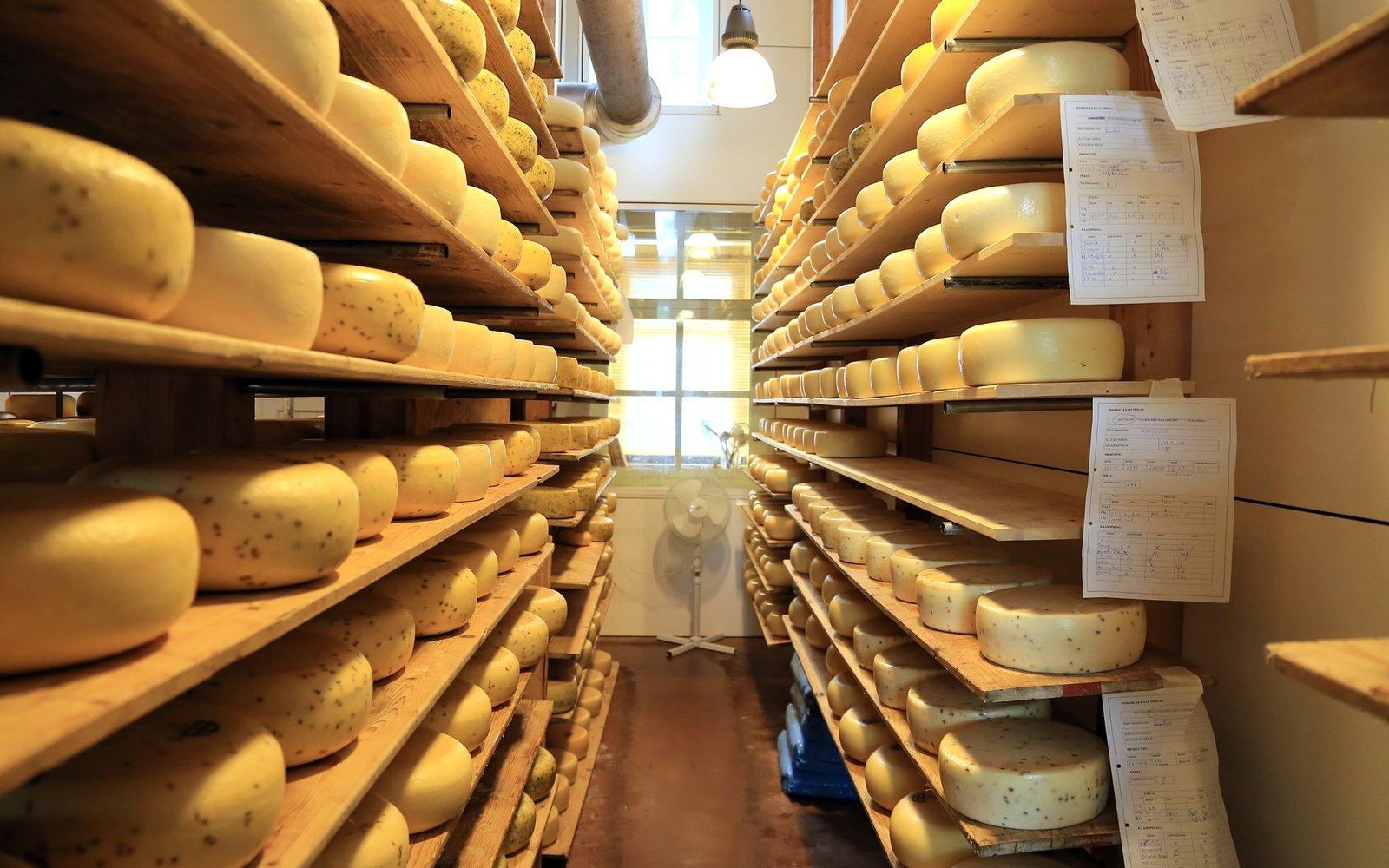
The Thiou canal leaving the lake. Cran-Gevrier lies a short way downstream, inside the commune assembled in 2017.Photo: Palais de l'Isle in Annecy 11 · Wikimedia CommonsWheels in an affinage cellar. The Beaufort production zone occupies the same altitudes as the lift network above it.Photo: Theo Graber / Pexels
Annecy's position in the industry calendar is fixed and understood. It falls after the Cannes film festival and before the major autumn markets, occupying a window when northern hemisphere television commissioners are planning the following year and feature-film producers are seeking partners. That timing, held consistently across decades, is a structural advantage no marketing effort could manufacture. The 2017 merger that created the enlarged commune of Annecy consolidated municipal governance around a city that already hosted an event of international standing; the festival's identity predates and operates independently of those administrative changes.
The relationship between the festival and its host city is one of contrast as much as fit. Annecy's working economy runs on Alpine tourism, precision manufacturing and, increasingly, the logistics of the 2030 Winter Games, with infrastructure decisions made in offices well above the lake. The animation industry arrives in June, fills the old town and the lakeside venues for a week, and departs. The city provides a setting — the water, the clarity of mountain light, the compact historic centre — that has proved durable as a backdrop for an event that is entirely indoor in its professional substance. Whether that setting actively shapes the festival or simply hosts it is a question the industry has never needed to answer. The week works, and it has worked for more than sixty years.