Standing page
Archive
Every piece in the file, in section order. The section pages carry the same material with more room; this is the list.
26 pieces · five sections
Section 01 · Track / Venues / Budget
The Games
The 2030 Games were sold on venues that already exist — the sliding track is the exception that tests that claim.
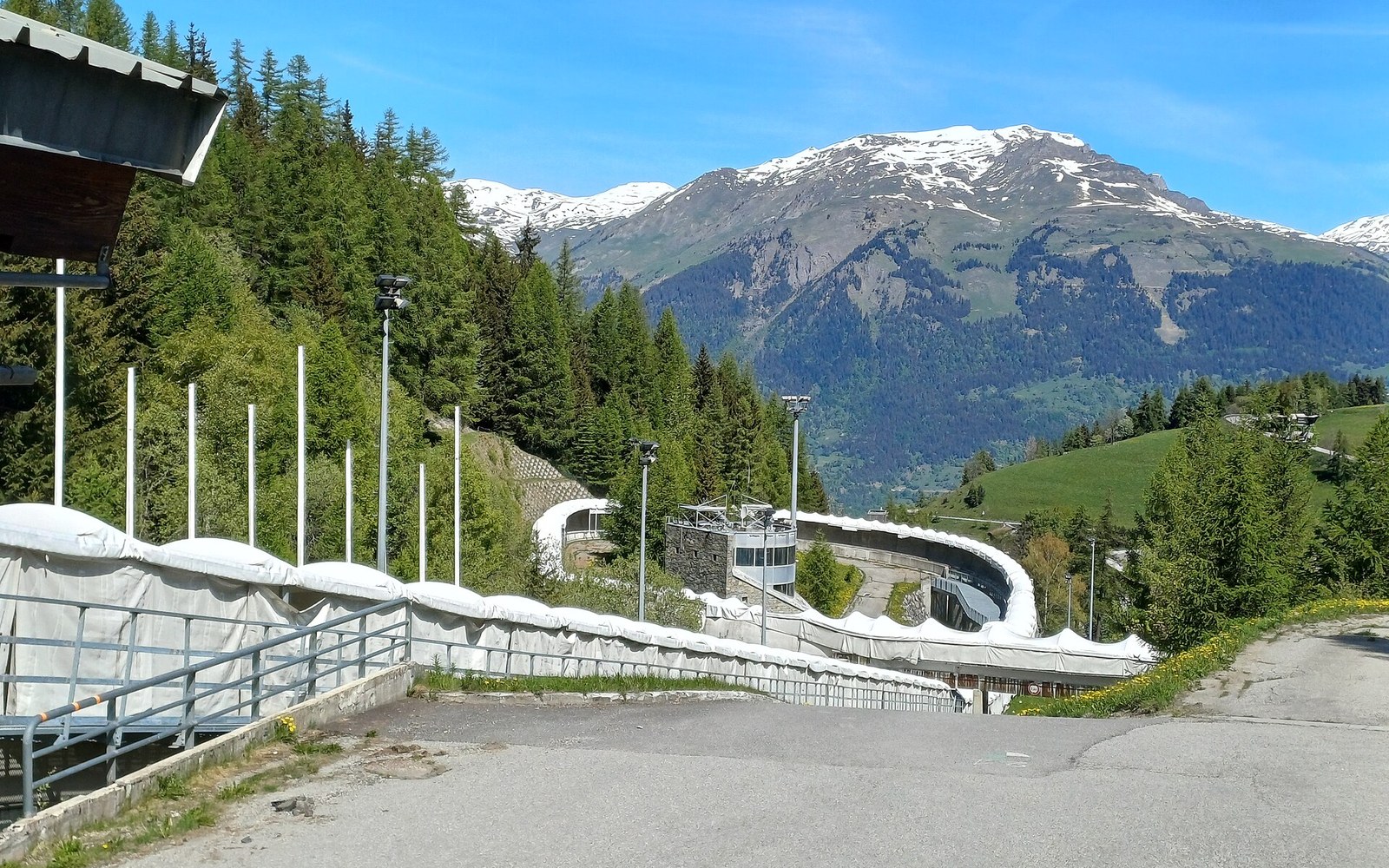
A Refrigeration Plant with a Sport Attached
The La Plagne sliding track was built for Albertville 1992 and has been maintained since as France's only refrigerated bobsleigh, luge and skeleton…
Refurbish, Build, or Send Them Abroad
Three options have been in public circulation for the 2030 sliding events: renovate La Plagne, build a new track, or send the disciplines to an…
What the Auditors Are Looking At
France's Cour des Comptes has taken an interest in the 2030 Games budget and the division of costs between the state, the regions, and the organising…
The Guarantee That Came After the Award
At its 142nd session in Paris in July 2024, the IOC confirmed the French Alps as host of the 2030 Winter Games on the condition that the French state…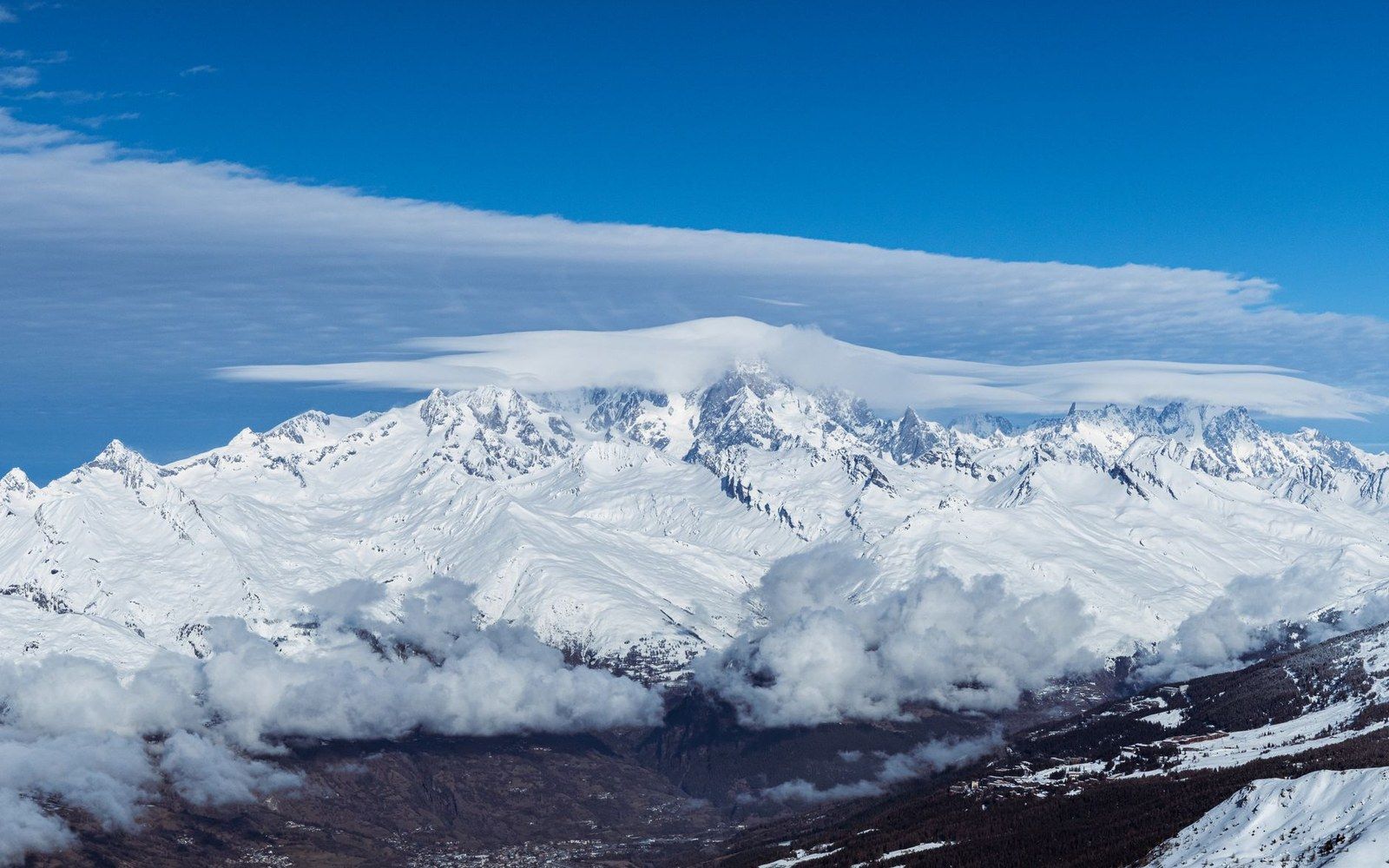
From the Tarentaise to the Mediterranean
Alpine events go to Savoie and Haute-Savoie where the courses and lift infrastructure exist; Nordic events to venues with a competition record;…
Section 02 · Altitude / Water / Closures
Snow
What a French ski area holds, how high it sits, and what the ones that sit too low are deciding.
What a Commune Still Owns Once the Cable Comes Down
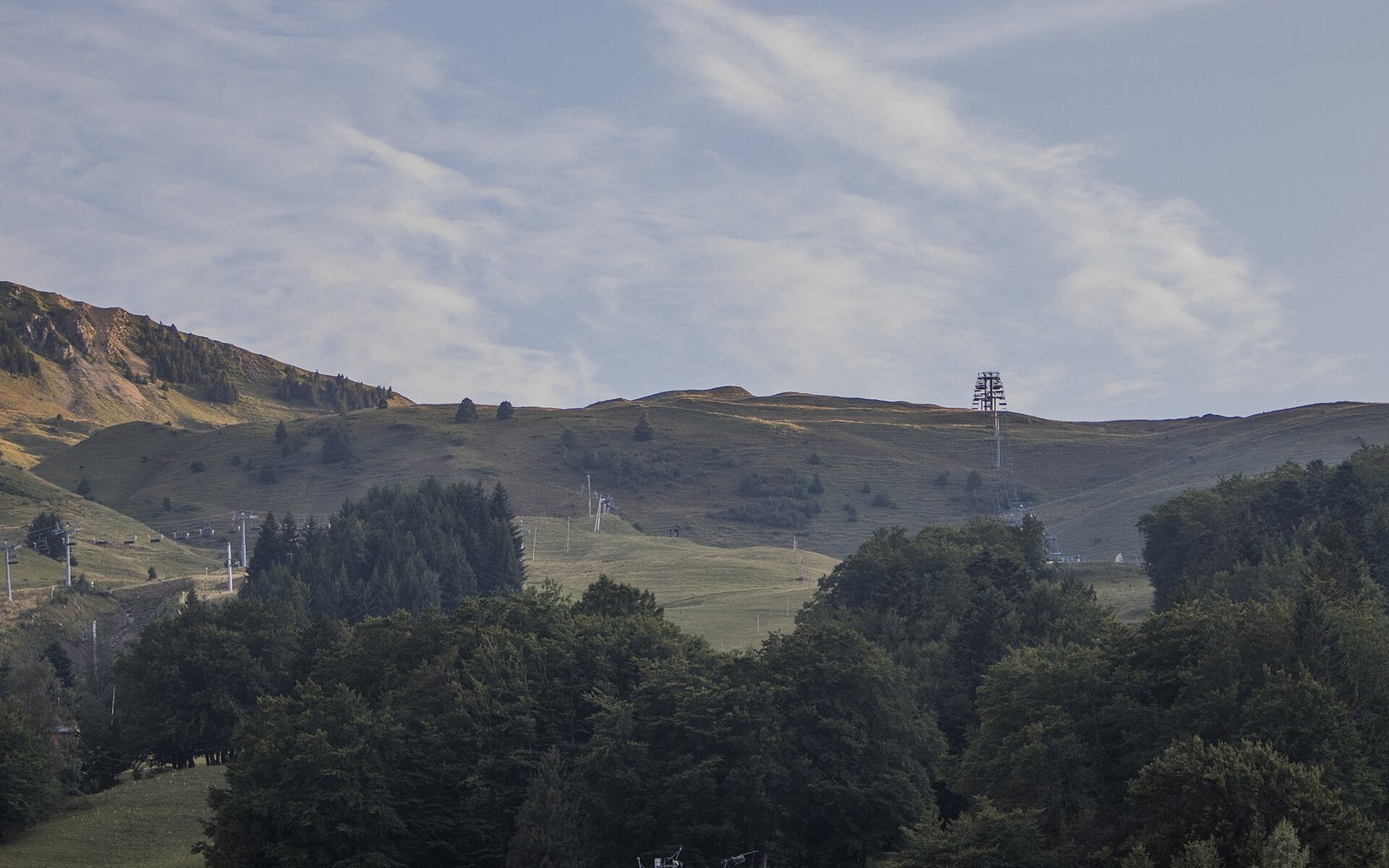
In 2024 the commune of La Morte voted to stop running the Alpe du Grand Serre ski area, which tops out around 2,200 metres but did most of its…
Height Itself, Listed as an Asset
Compagnie des Alpes, the largest operator of French ski areas, now describes altitude as the core holding in its portfolio rather than the number of…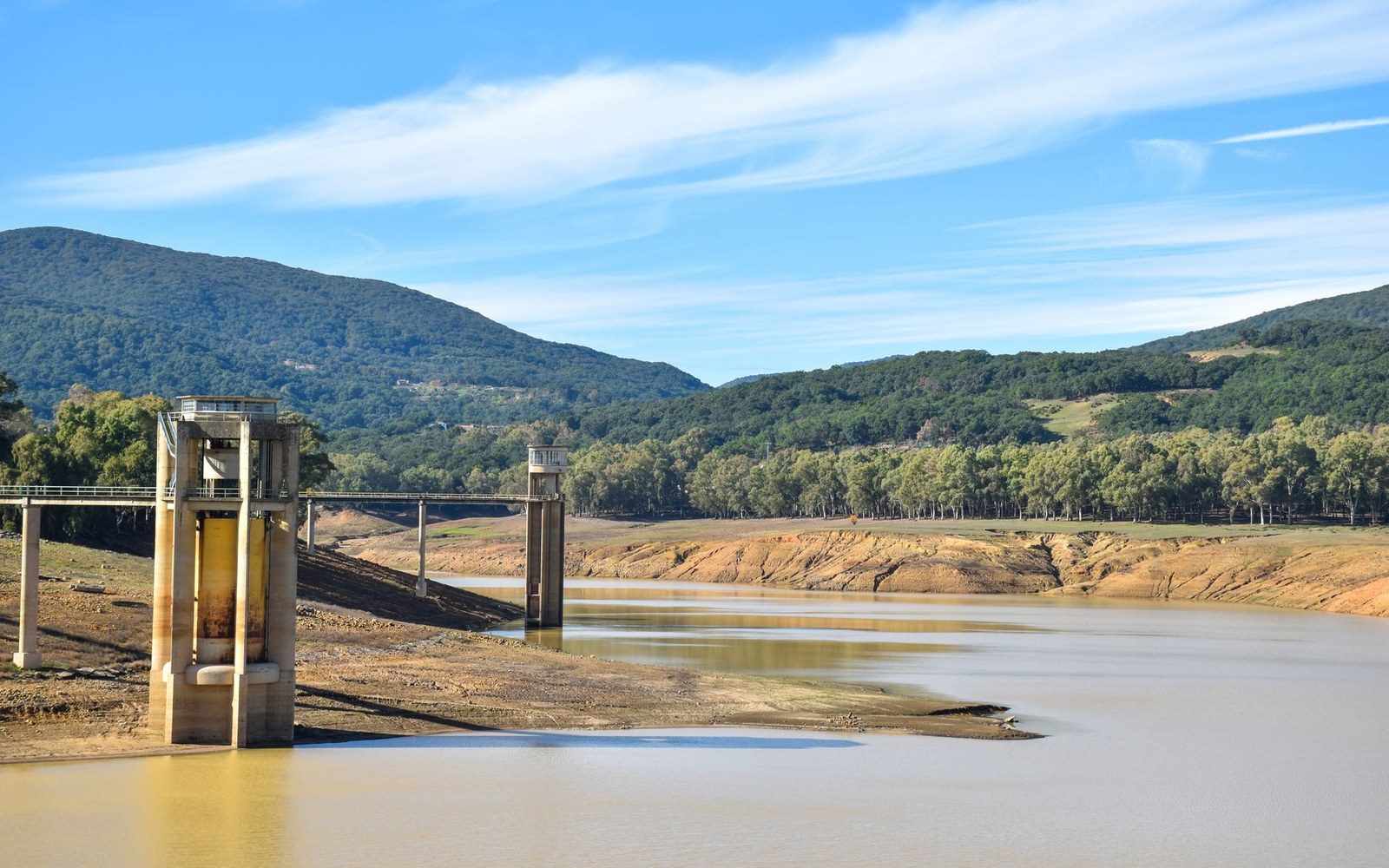
Whose Water the Hillside Ponds Hold
Retenues collinaires — hillside storage ponds built to supply snowmaking — have become a contested infrastructure across the French Alps, drawing…
The Number Operators Had Already Priced In
Météo-France and the Climsnow projections put specific figures on snow-cover reliability across French Alpine stations; this piece reads across those…
Counting Passages, Not Winters
Domaines Skiables de France publishes the industry's headline measure — skier-days — each season, and the figure counts passages through a turnstile…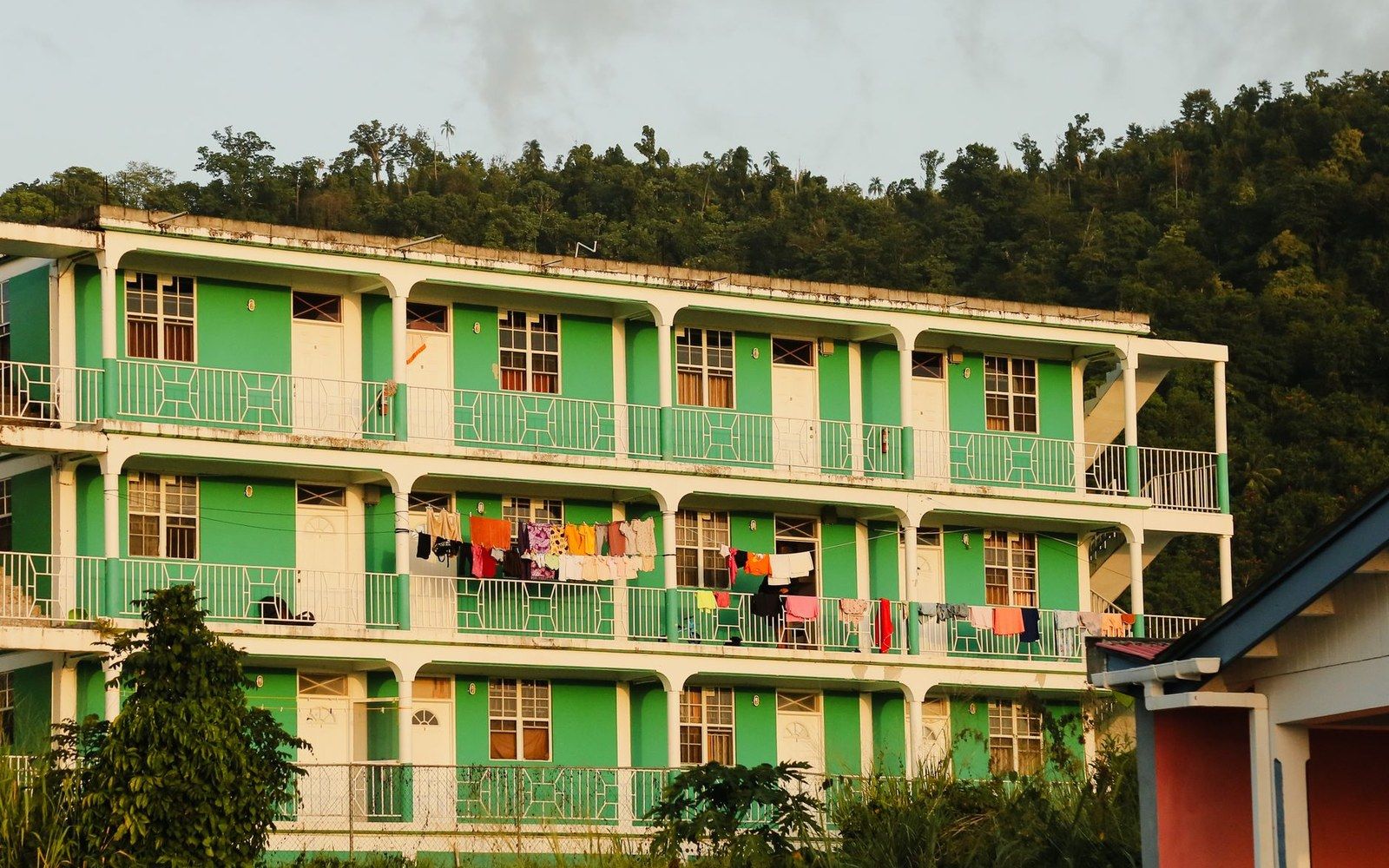
The Housing Problem That Follows the Season
Seasonal staff move between Alpine valleys each winter and face a structural shortage of affordable accommodation that resort operators and municipal…
Section 03 · Venues / Budget / Precedents
Resorts
From Chamonix 1924 to Albertville 1992 to the guarantee that arrived after the award: what each Games left behind and what 2030 is trying not to add to the list.
Chamonix, 1924: The Games That Named the Category
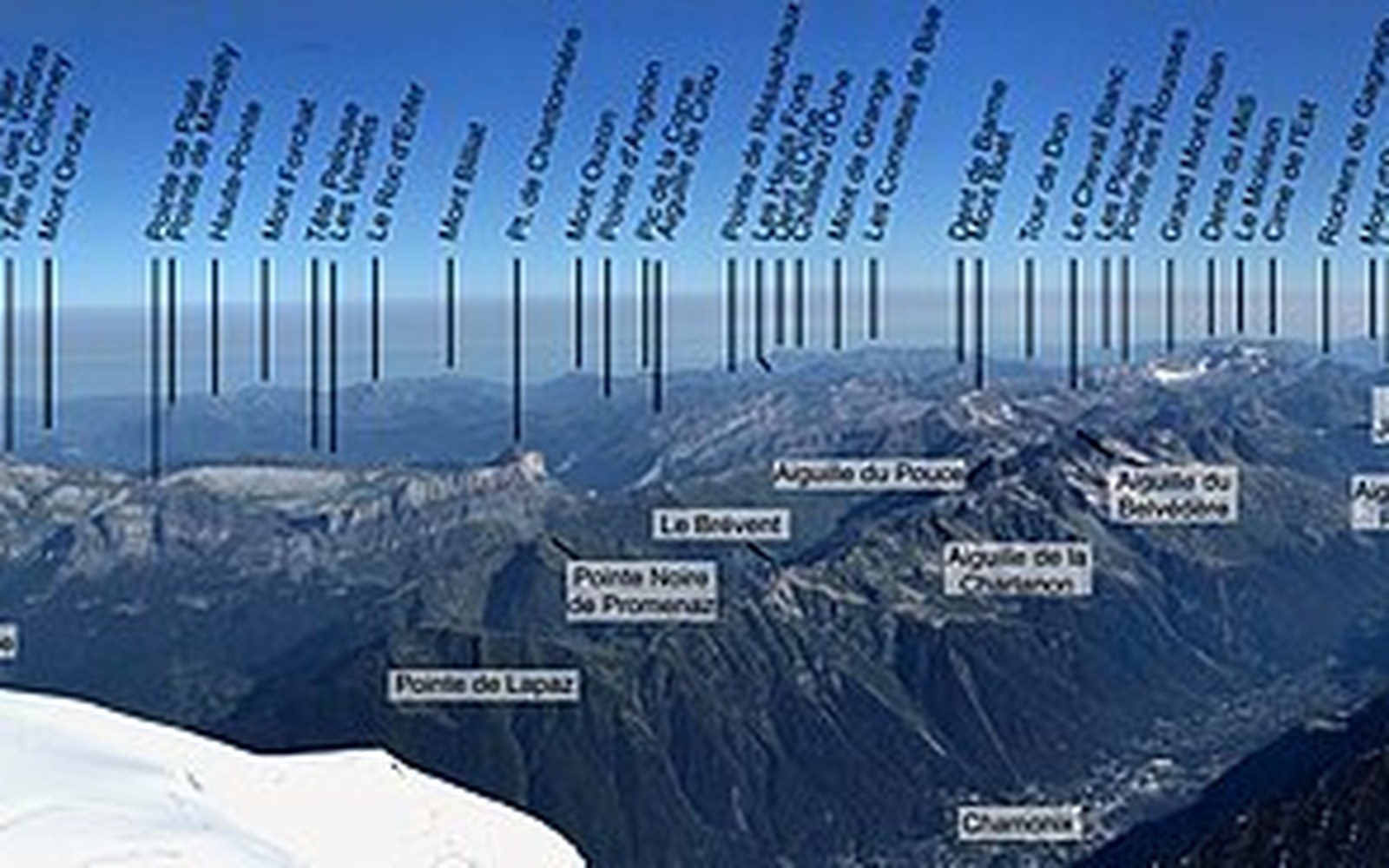
The first Winter Olympics were held in Chamonix in January and February 1924, under the title Semaine Internationale des Sports d'Hiver before the…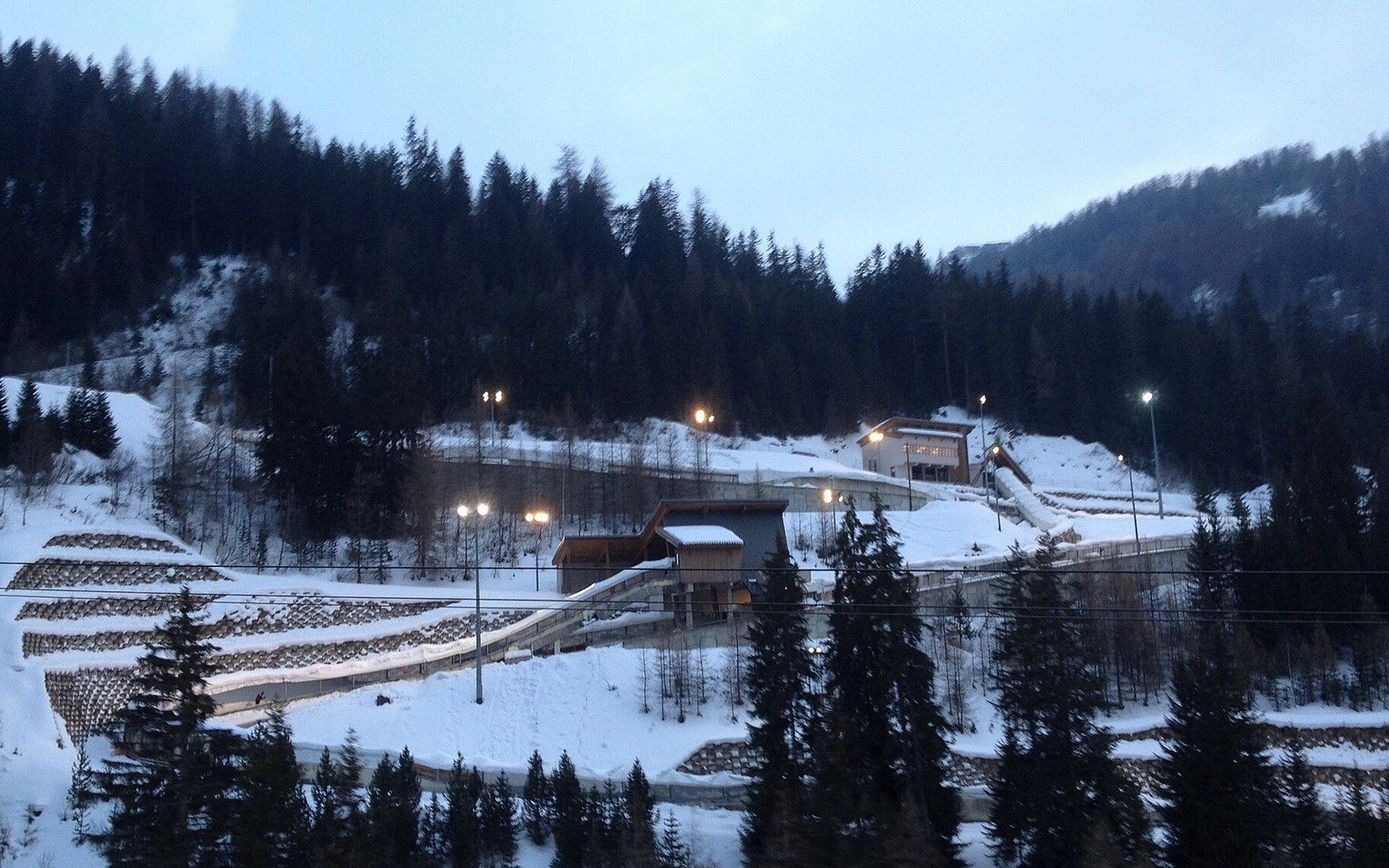
Three Games, Three Inheritances
Chamonix 1924, Grenoble 1968 and Albertville 1992 each left the region a physical object that had to be paid for and maintained afterwards; the 2030…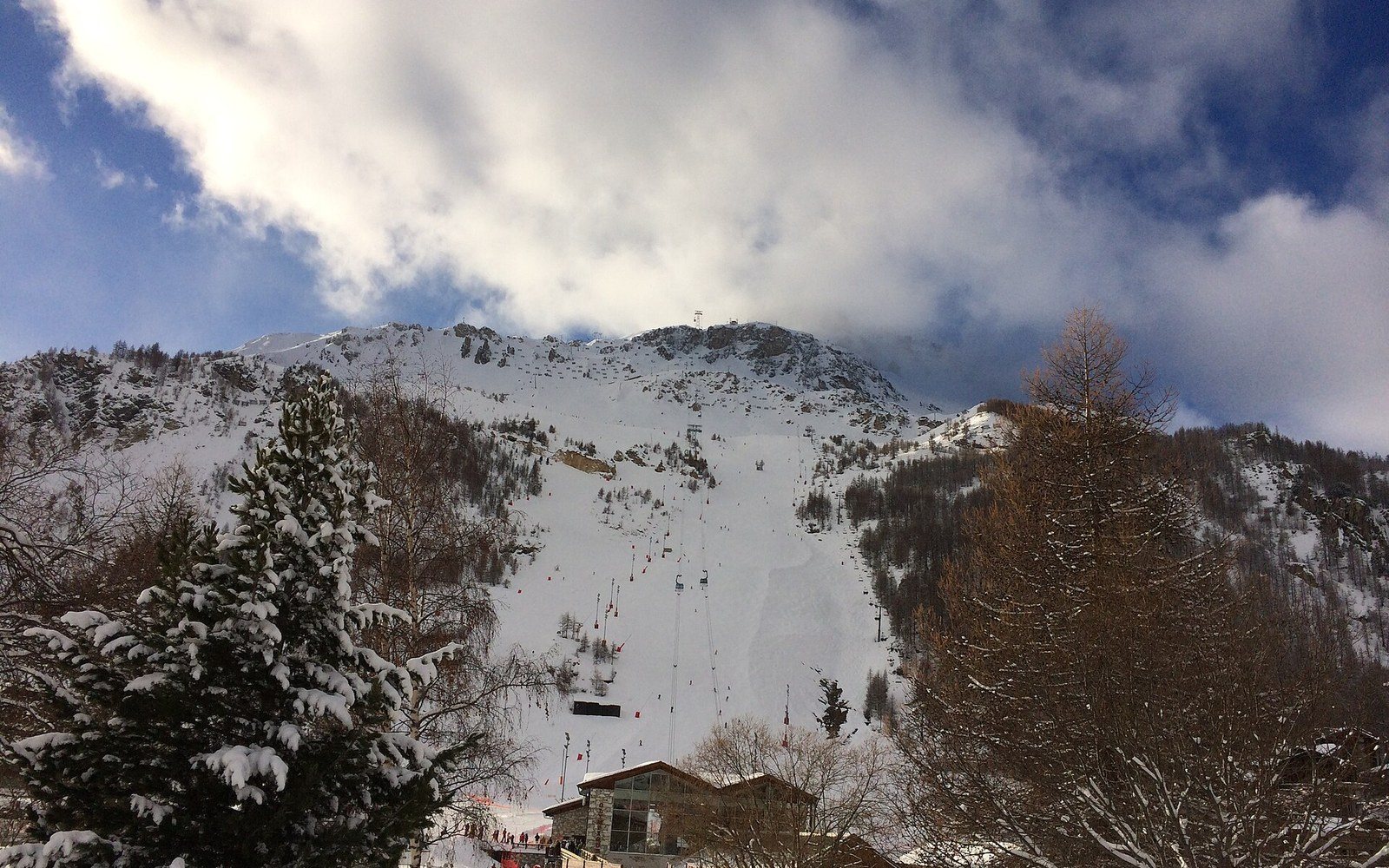
Espace Killy and the Venue That Was Already There
Val d'Isère and Tignes operate together as Espace Killy, a high-altitude ski area in the Tarentaise that already holds a competition history and the…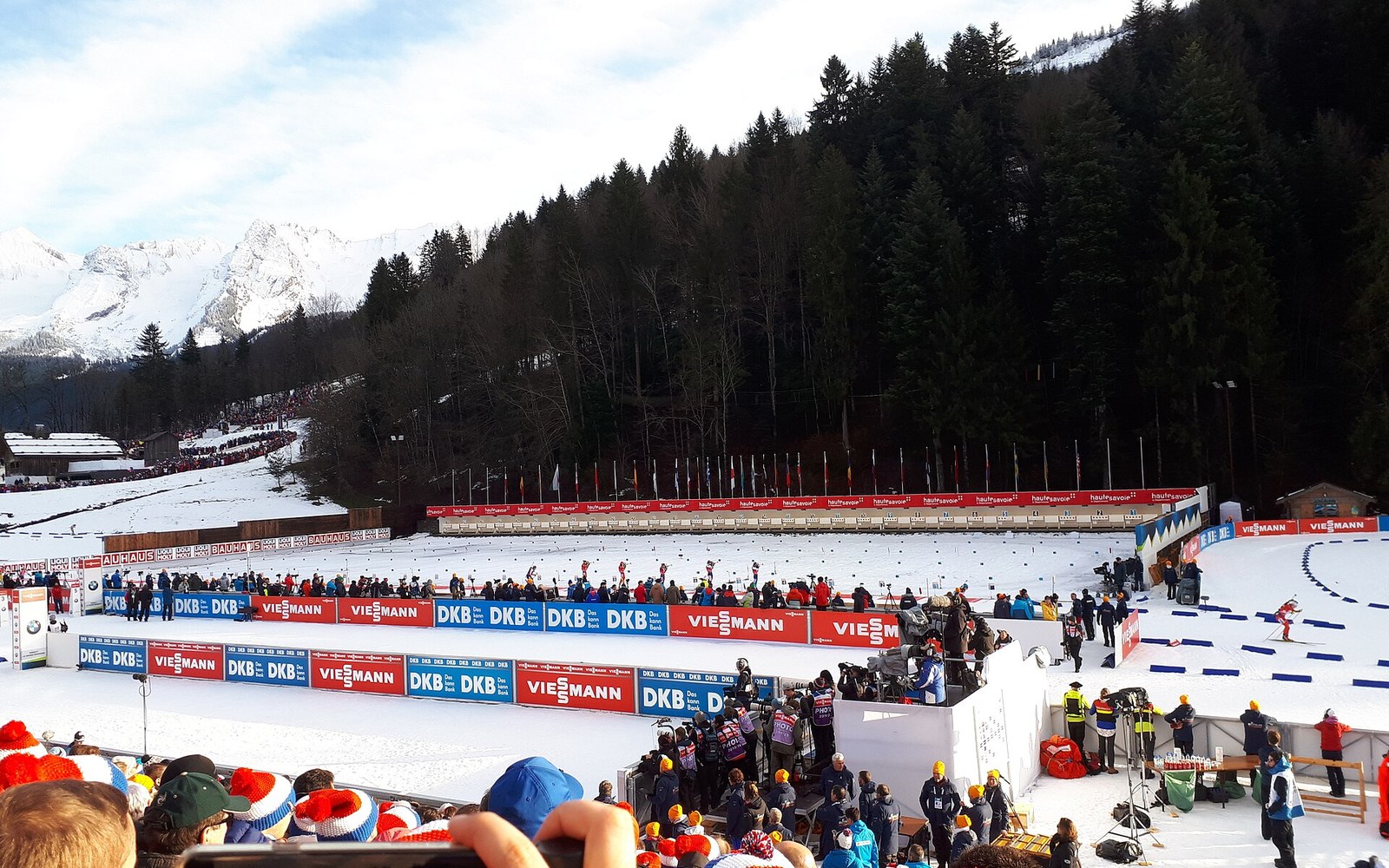
The Nordic Venues and Why Competition History Matters
Nordic skiing events for 2030 are assigned to venues with an existing competition record rather than purpose-built facilities — a deliberate…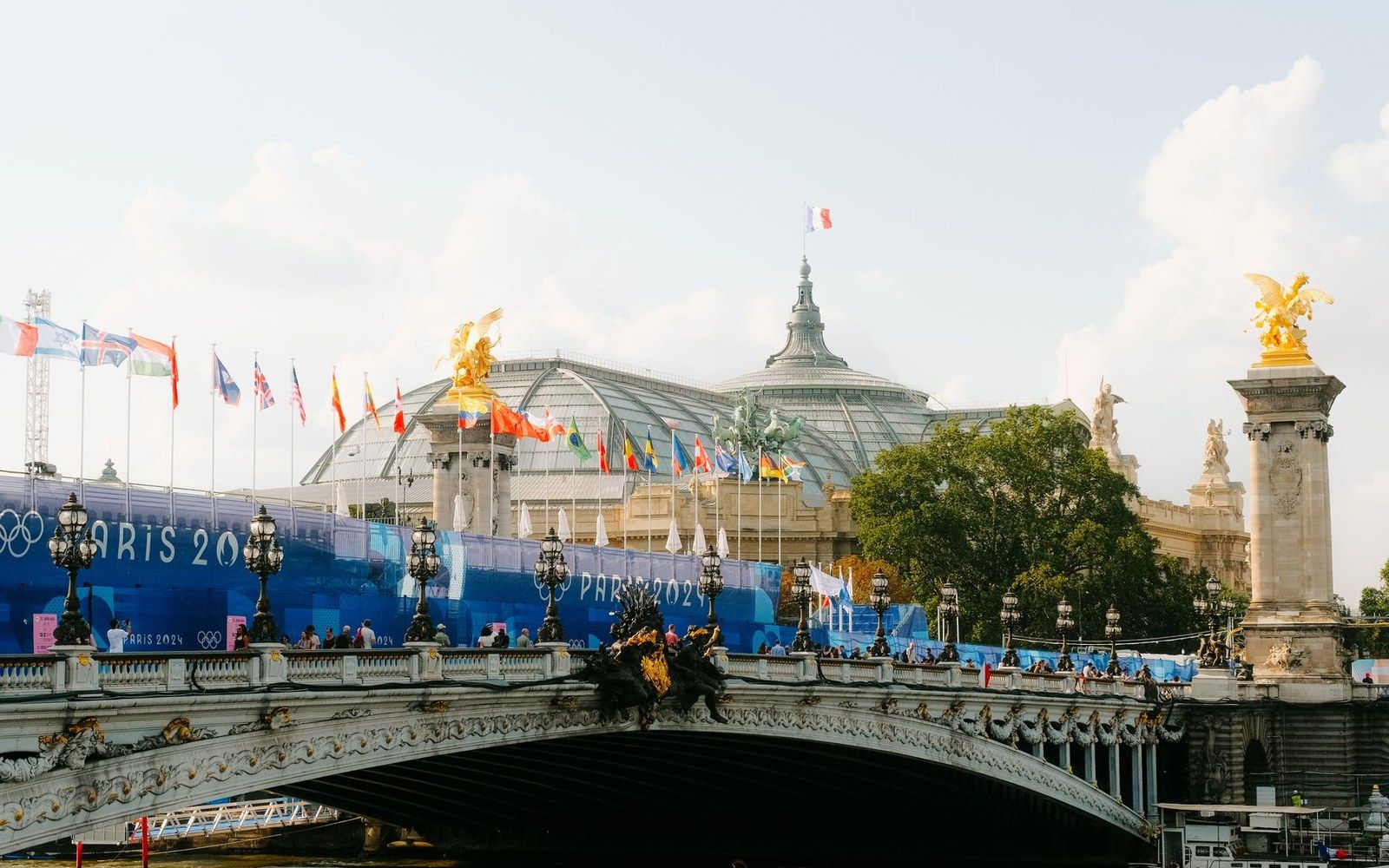
Before the Money Arrived: A Record of the Guarantee
The IOC awarded the 2030 Games to the French Alps in July 2024 on condition that state financial guarantees be provided; those guarantees were…
Section 04 · Guides / Lifts / Rescue
The Mountain
The Compagnie des Guides, the PGHM, and the concession renewals that decide which lifts keep running.
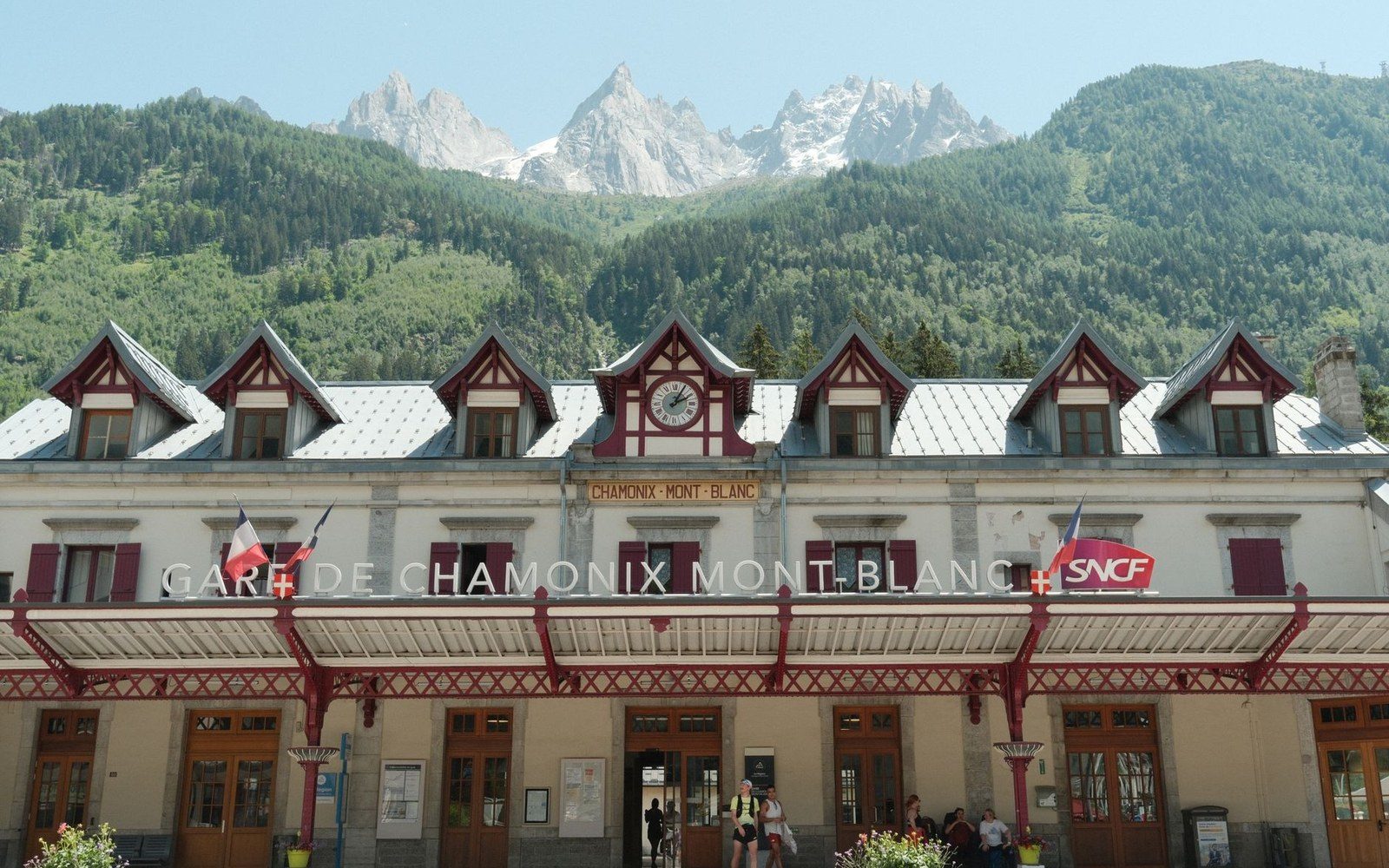
An Institution Older Than the Resorts Around It
The Compagnie des Guides de Chamonix was founded in 1821, predating the resort economy that grew around it; it remains a professional body with its…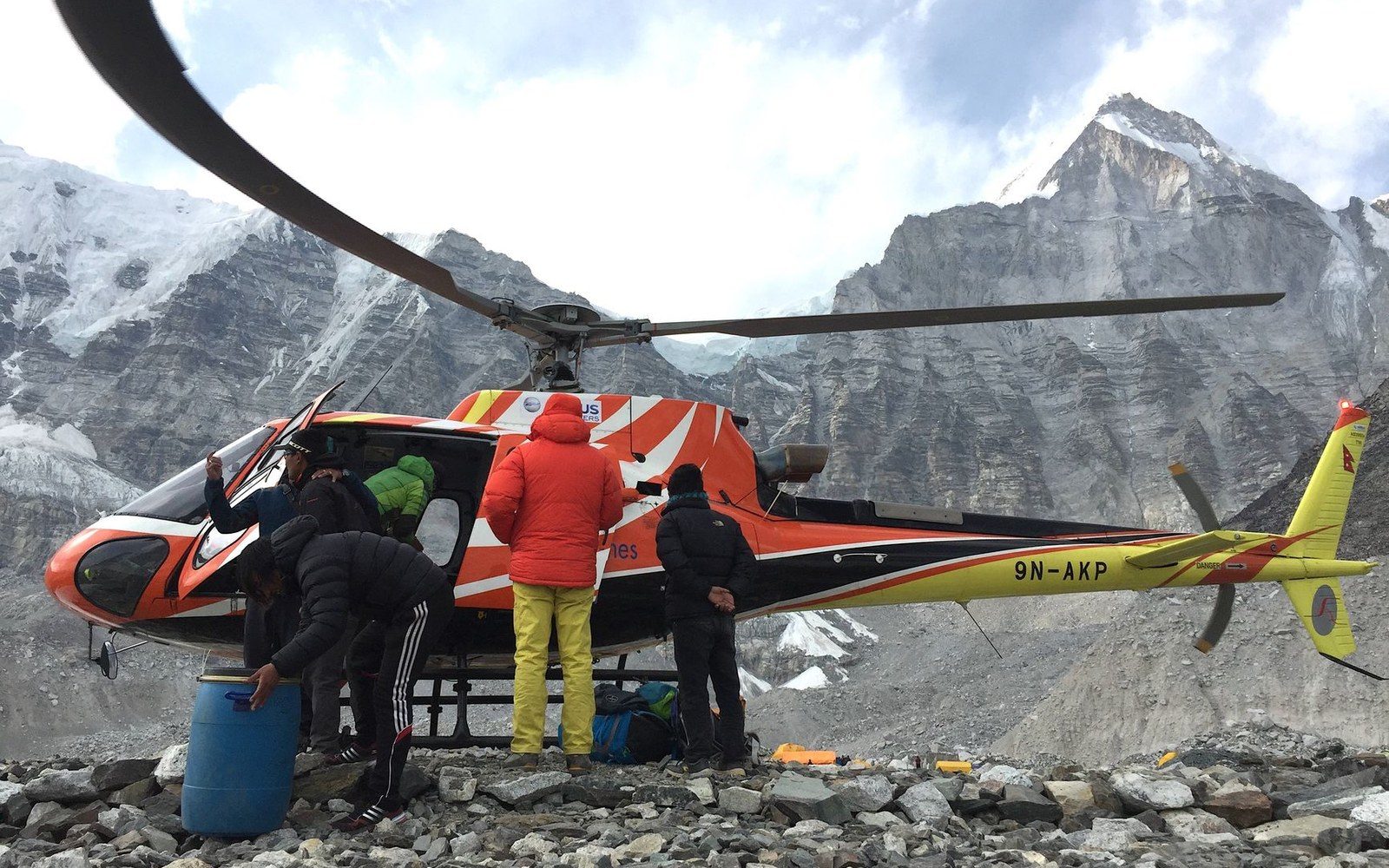
The PGHM: State Rescue at Altitude
The Peloton de Gendarmerie de Haute Montagne is France's specialist mountain rescue unit, operating out of Chamonix and other Alpine stations as a…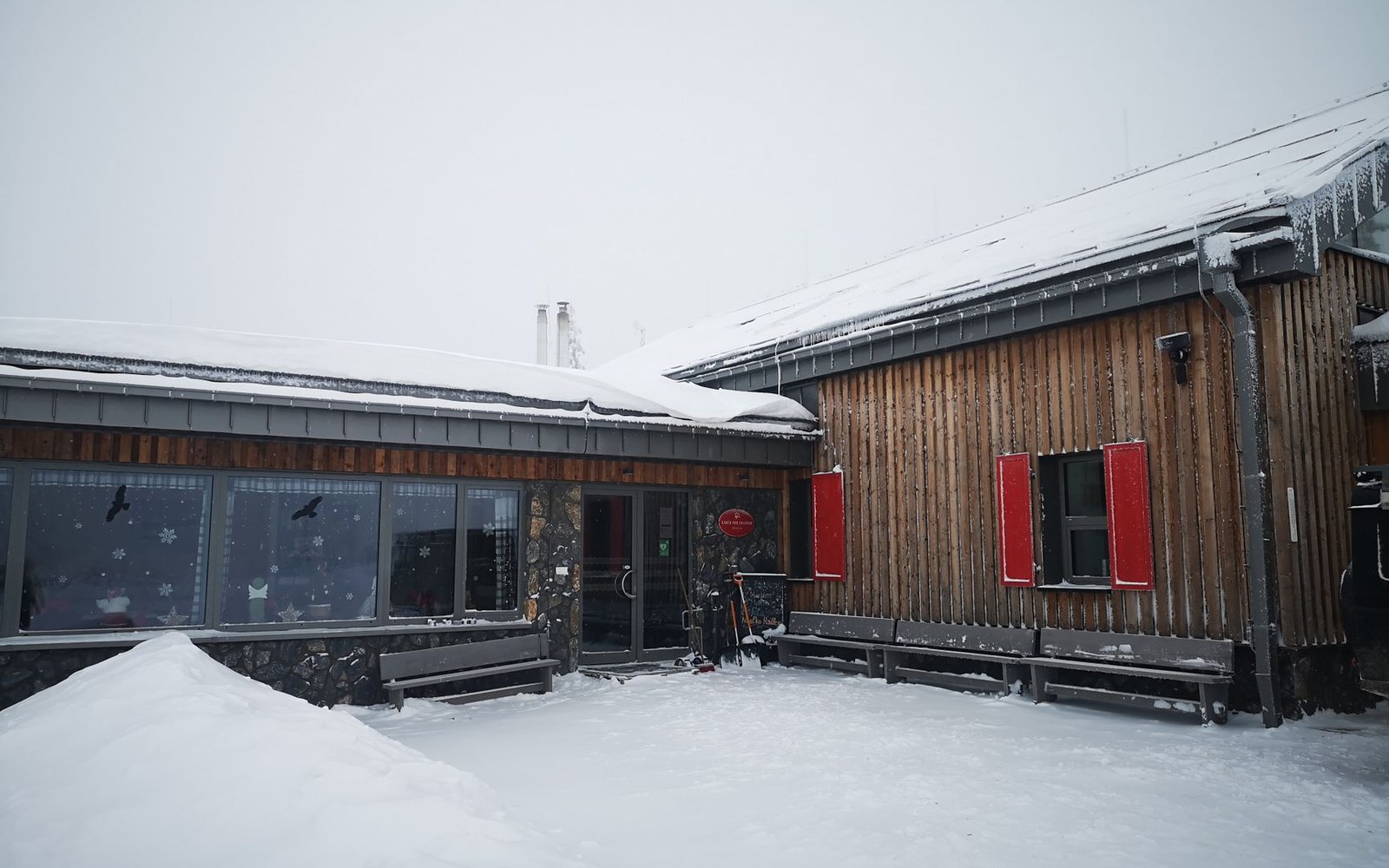
Who Decides Whether the Lift Keeps Running
Ski-lift operations in France run on concessions granted by municipal authorities, and the renewal cycle is the legal moment at which a commune must…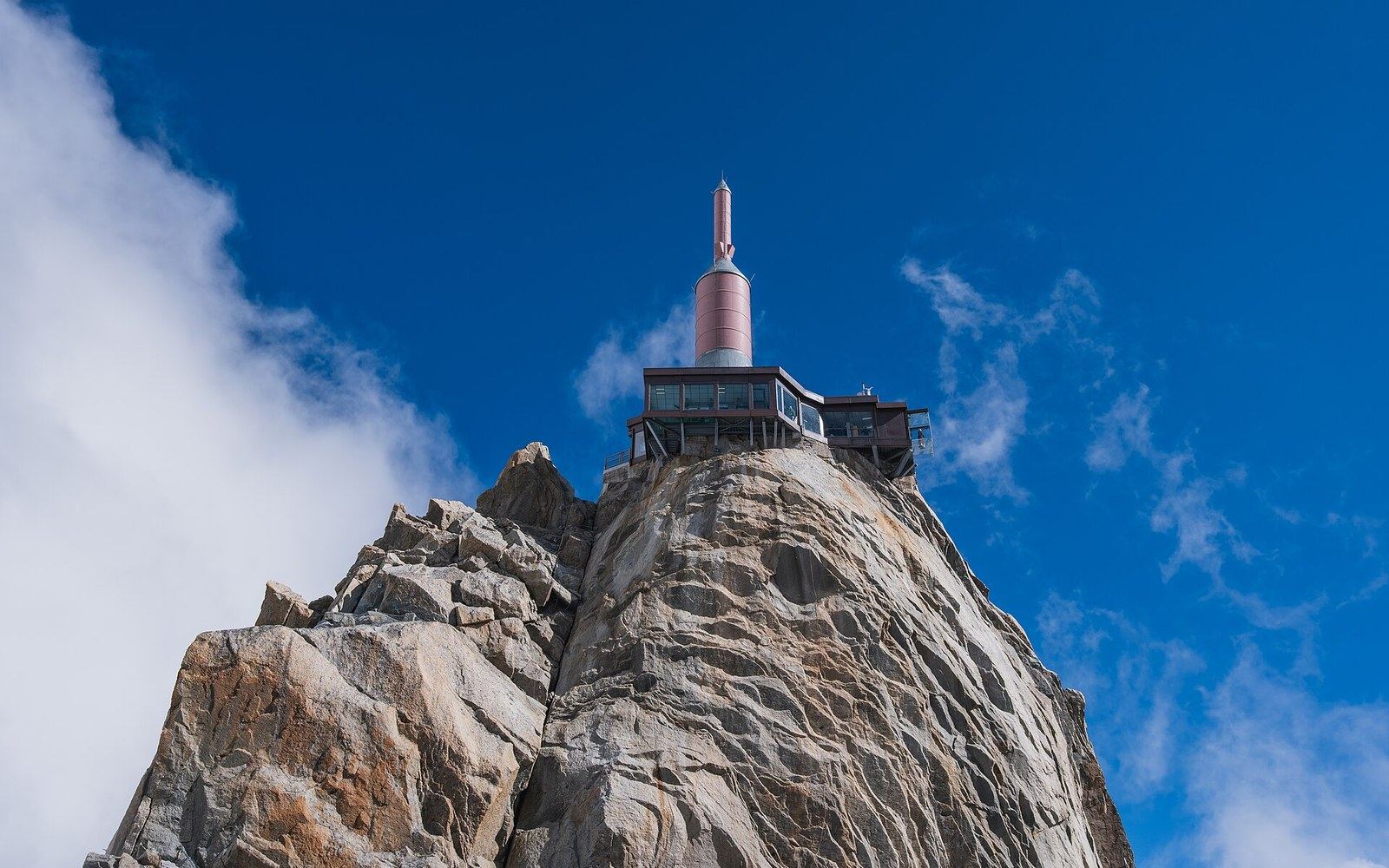
The Aiguille du Midi and the Route Below It
The Aiguille du Midi cable car, which rises from Chamonix to 3,842 metres, gives access to the Vallée Blanche — a high-altitude glacier route…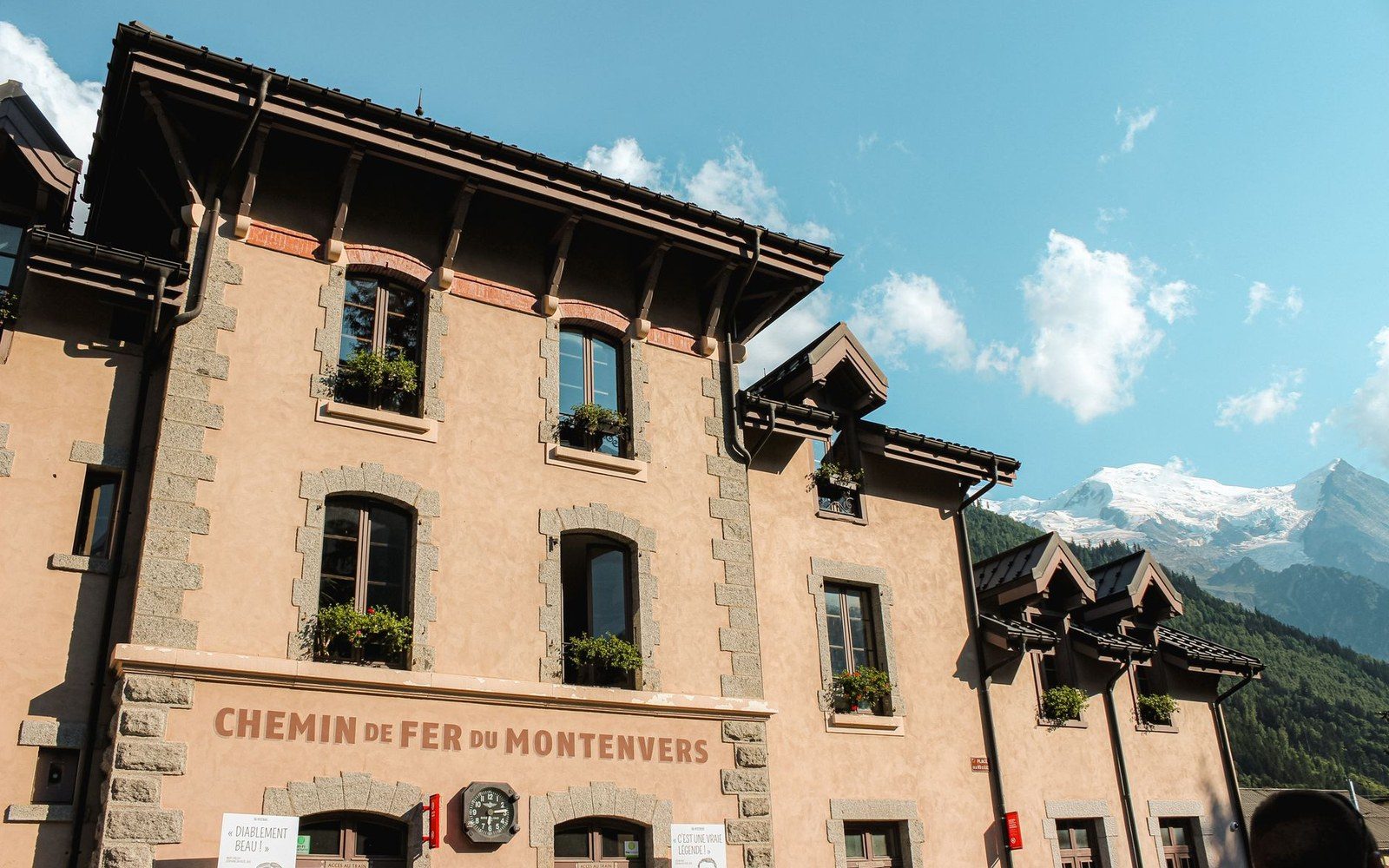
The Mer de Glace, by the Numbers
The Mer de Glace, the largest glacier in the French Alps, has a documented retreat record measured in length, depth and surface area over more than a…
Section 05 · The Lake / The Merger
Annecy
How six communes became one Annecy in 2017, and what the lake, the Vieille Ville and the Haute-Savoie appellations carry forward.
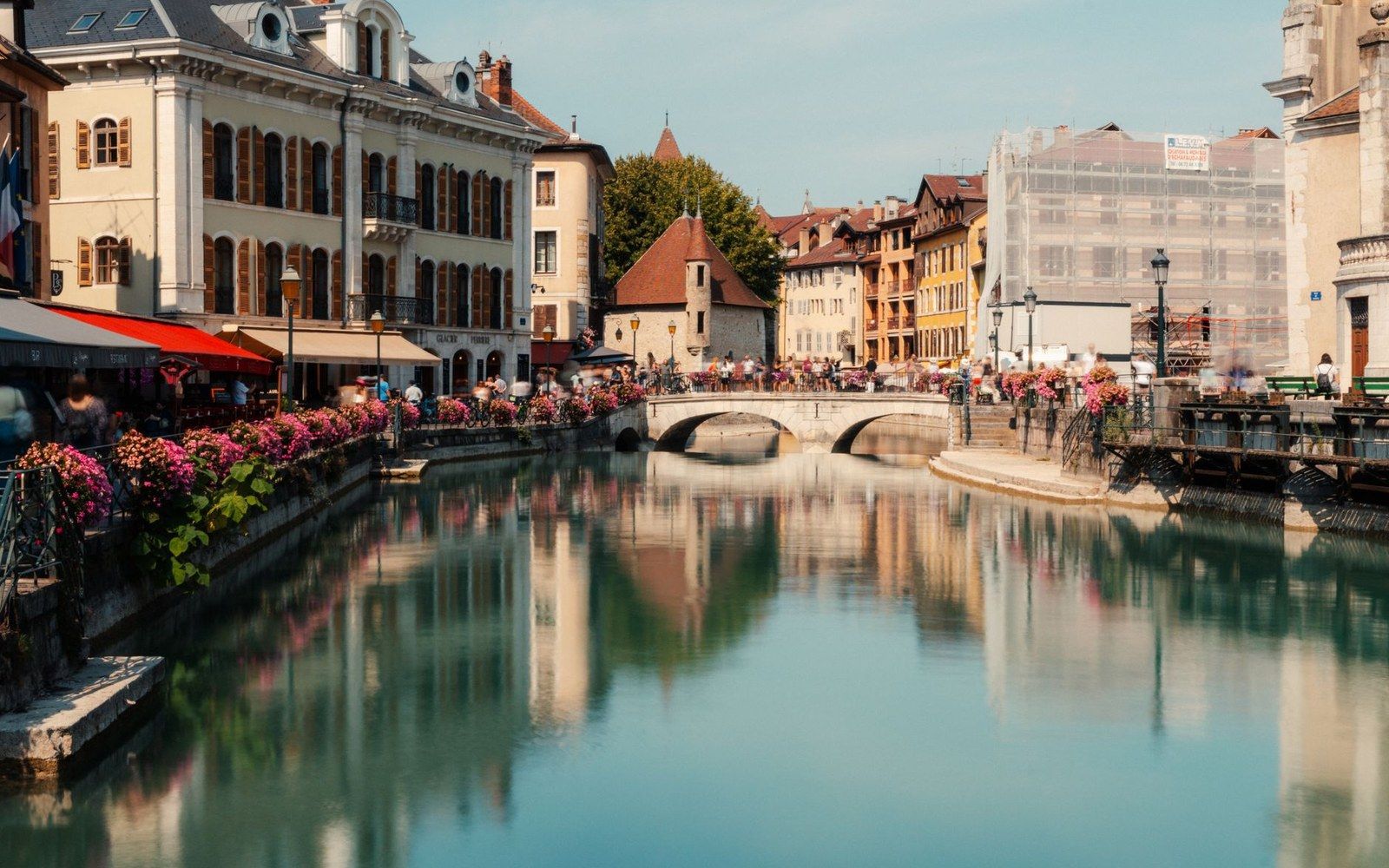
Six Communes, One City, and What Cran-Gevrier Kept
The 2017 merger that created the enlarged commune of Annecy brought together six municipalities including Cran-Gevrier, Seynod, Meythet, Pringy and…
The Lake and Its Long Water-Quality Record
Lac d'Annecy has one of the best-documented water-quality improvement records in Europe, the result of a sanitation programme begun in the 1960s; its…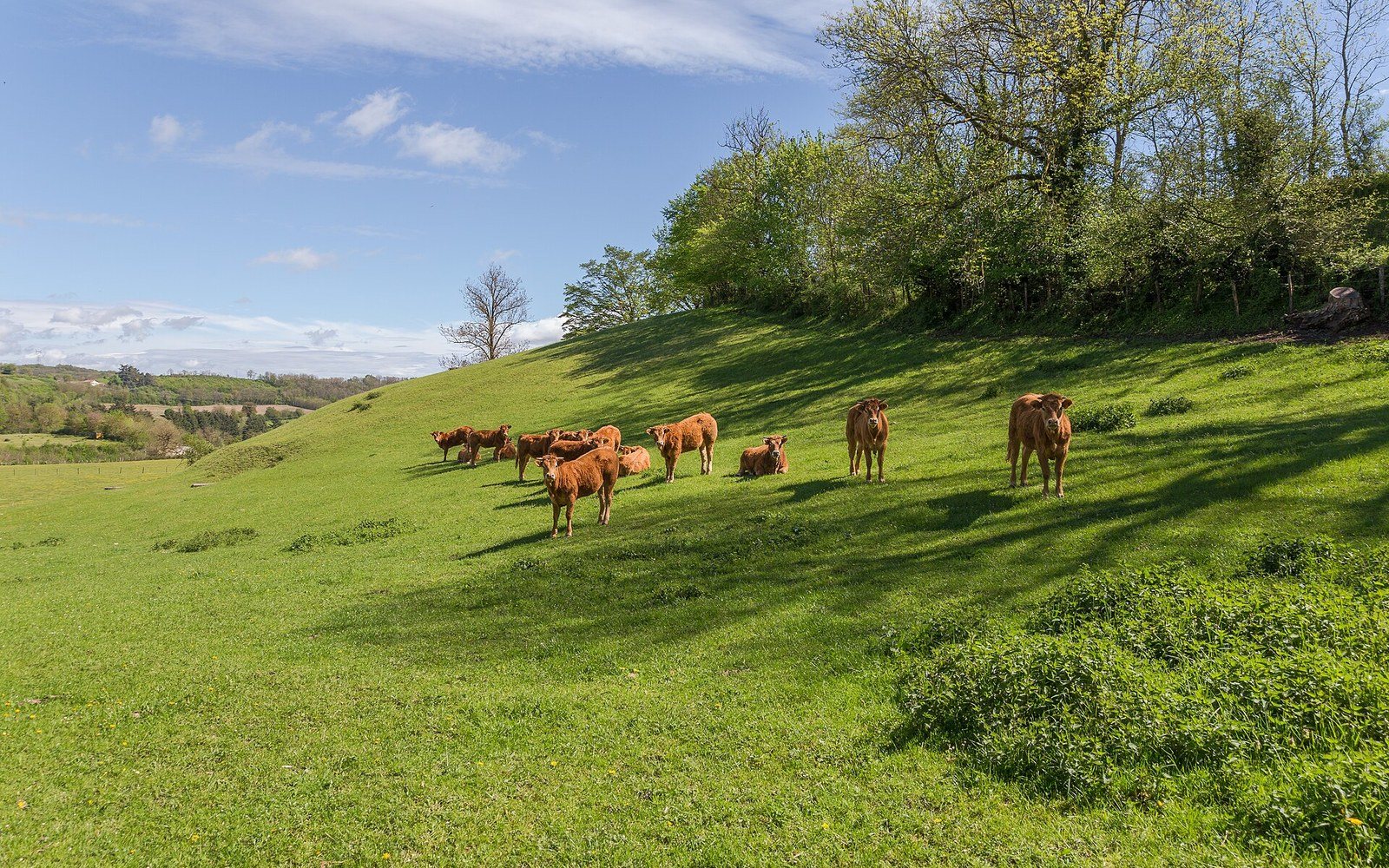
Reblochon, Beaufort, Abondance, Tomme: Four AOC Names from One Mountain Economy
The four principal Haute-Savoie cheese appellations — Reblochon, Beaufort, Abondance and Tomme de Savoie — each carry a defined production zone, a…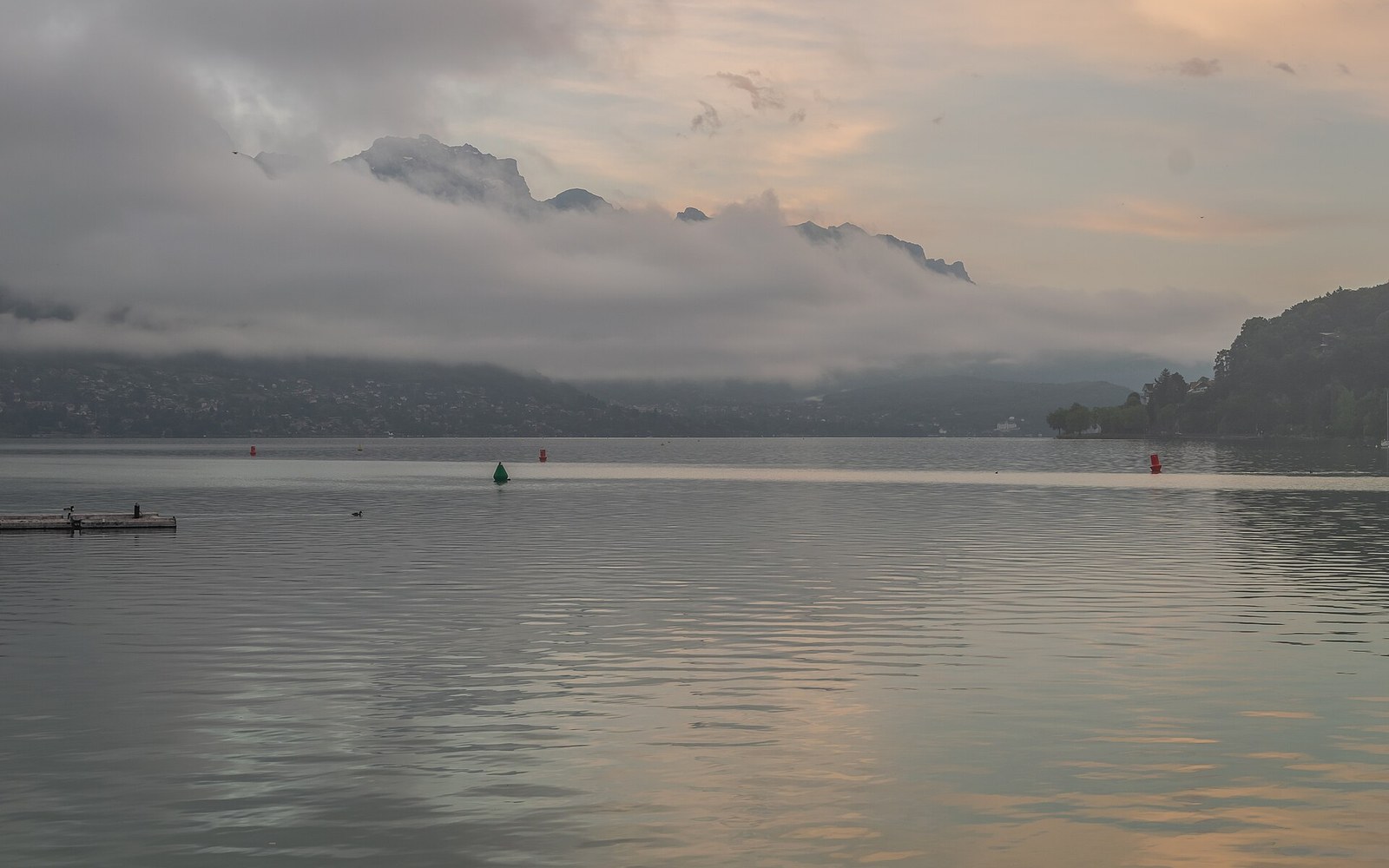
The Festival That Happens Between the Ski Seasons
The Annecy International Animation Film Festival, held each June, is one of the longest-running animation industry events in the world and draws…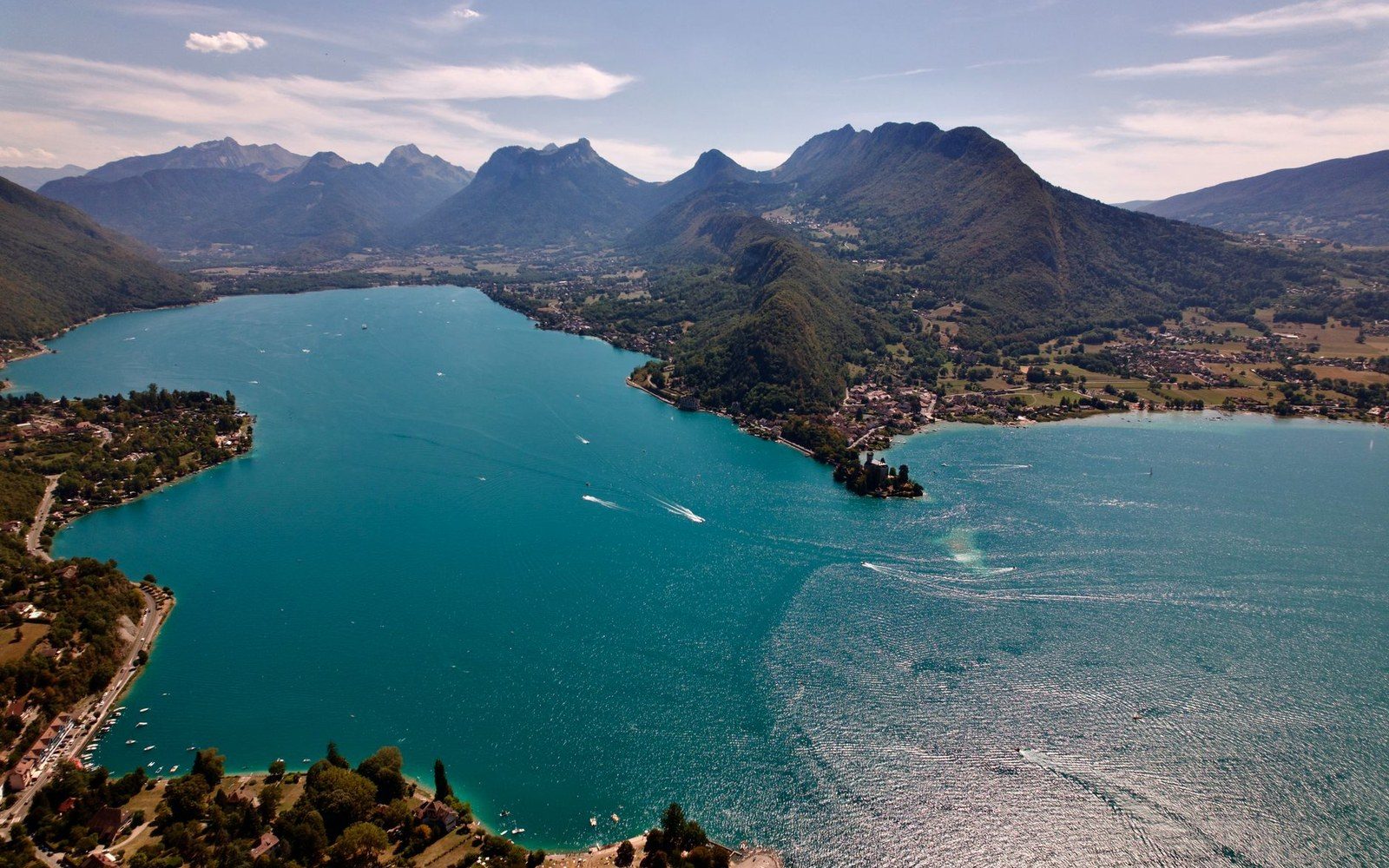
The Mountains Annecy Can See from Its Streets
The Semnoz ridge rises directly above Annecy and carries a small ski area visible from the city's lakefront; La Clusaz and Le Grand Bornand in the…