What Each Appellation Specifies
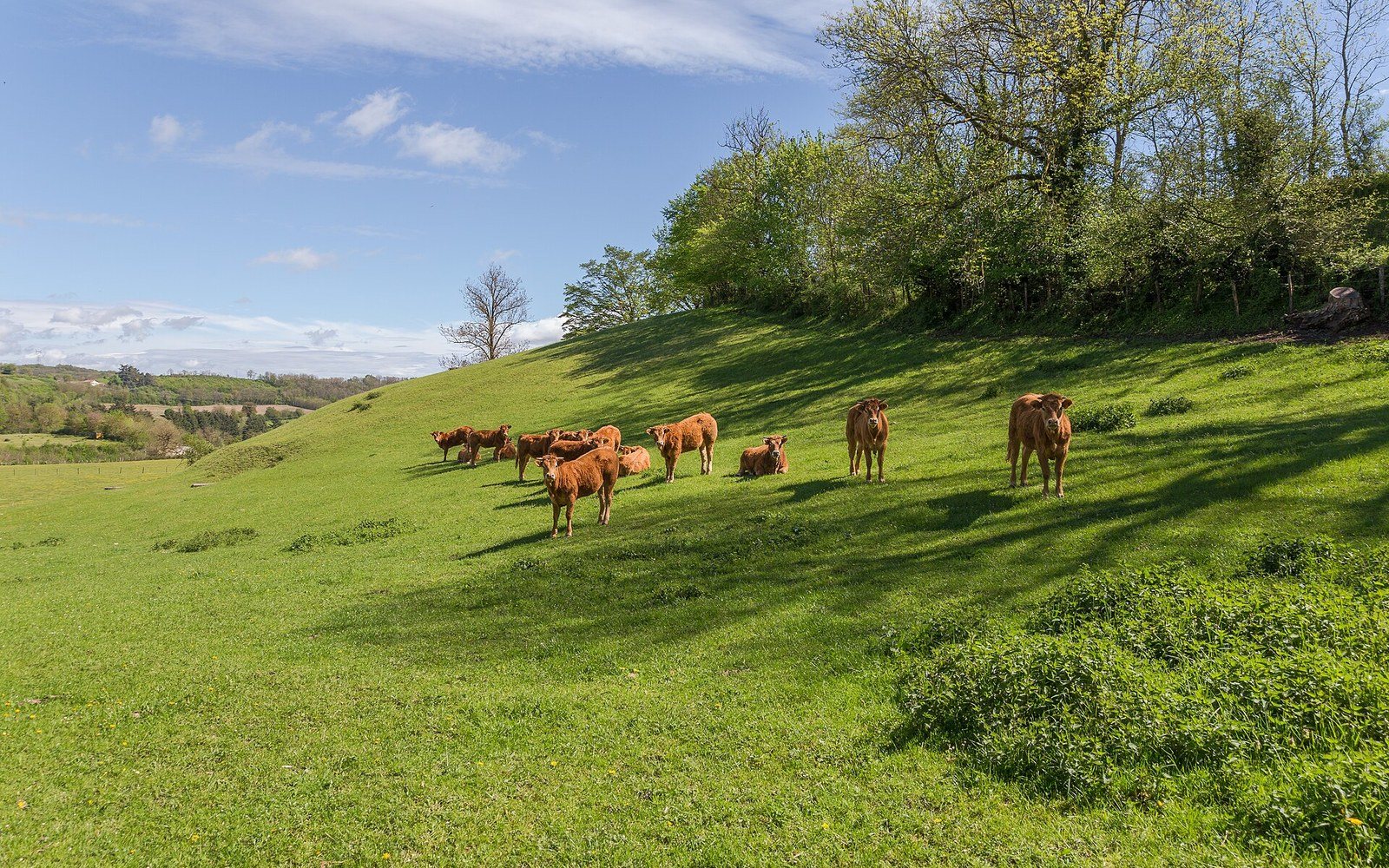
The French designation system for mountain cheeses — appellation d'origine contrôlée (AOC), the domestic equivalent of the European AOP — does not merely name a region. It specifies the altitude at which cattle must graze, the breeds permitted, the fodder banned, and the production methods required at every stage. In the Tarentaise and Beaufortain valleys, and across the broader Haute-Savoie massifs, four appellations organise the dairy economy that runs beneath and alongside the ski industry: Reblochon, Beaufort, Abondance, and Tomme de Savoie.
Reblochon is the most widely produced of the four. Its zone covers the Aravis massif and the Thônes valley — the same terrain that holds La Clusaz and Le Grand Bornand — together with parts of the Arly and Giffre valleys. The appellation requires production from Abondance, Montbéliarde, or Tarine cattle, specifies that the herds graze on mountain pasture in summer, and mandates a washed-rind process that produces the cheese's characteristic soft paste. The name traces to a historical practice of incomplete milking — reblochi in the local dialect — to reduce the volume recorded for taxation; a second milking after the inspector's departure yielded the richest milk, used for the cheese.
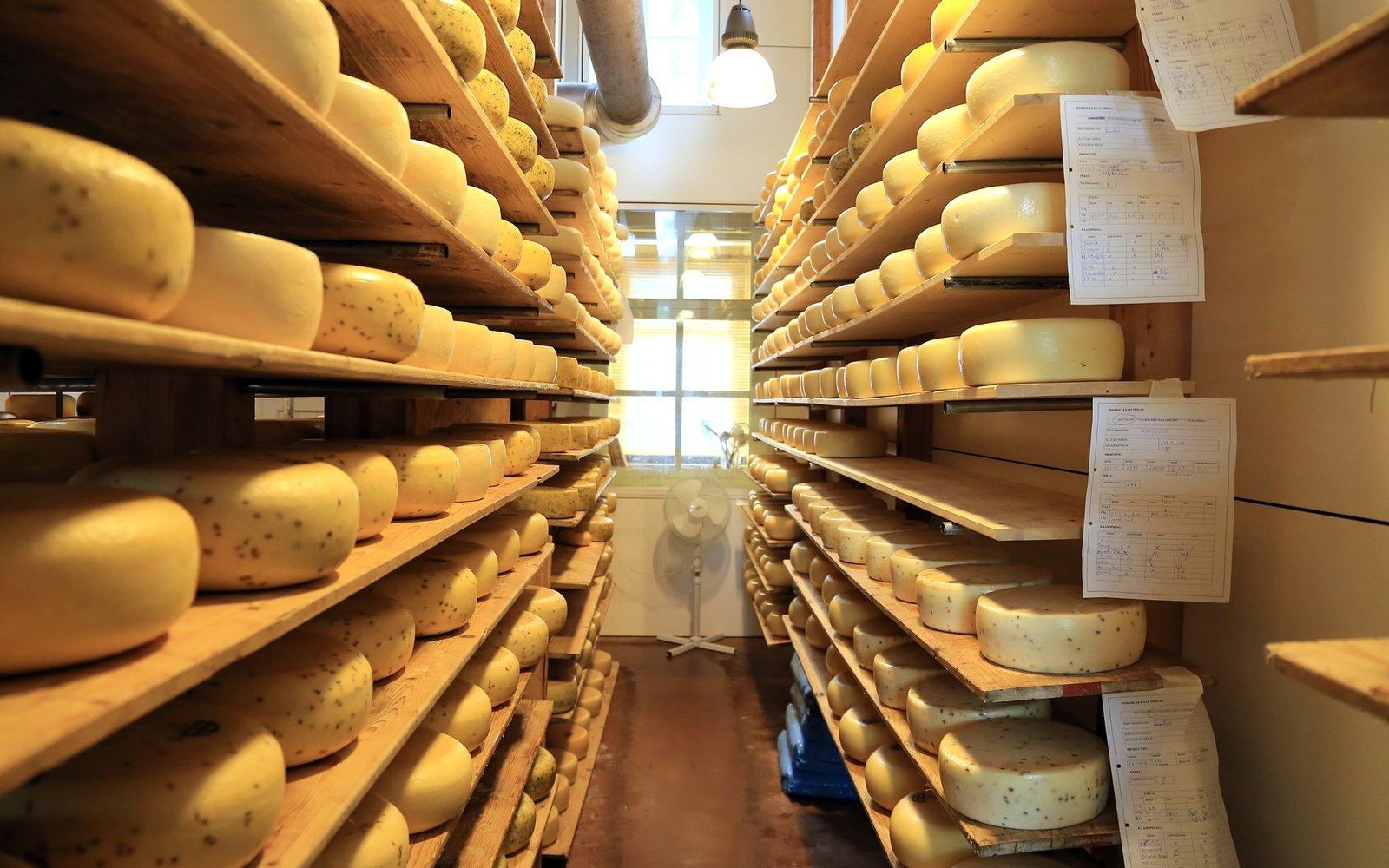
Beaufort covers a zone centred on the Tarentaise and Maurienne valleys, placing it squarely within the corridor that also contains Les Arcs, La Plagne, Val d'Isère, and Tignes. The appellation is the most altitude-intensive of the four: summer production, designated Beaufort d'alpage, must come from a single herd grazing a single high pasture, typically above 1,500 metres. Only Tarine and Abondance breeds are permitted. The cheese itself is a hard-pressed, uncooked alpine wheel whose concave heel is produced by a wooden hoop applied during pressing — a detail specified in the appellation rules and overseen by the Syndicat de Défense et de Promotion du Beaufort. Annual production runs to several thousand tonnes, making it a significant rural income stream in valleys where ski-lift revenue dominates the winter months.
Abondance takes its name from the valley and commune of the same name in Haute-Savoie, near the Swiss border. The permitted breeds are Abondance, Montbéliarde, and Tarine, and the zone includes the Chablais massif as well as parts of the Faucigny and Genevois. The cheese is a semi-hard, cooked-pressed wheel with a brushed rind and a characteristic fold mark on the edge where the cloth is tightened during production. The Abondance cattle breed itself holds a separate protection: it is recognised for its hardiness at altitude and its efficiency on steep terrain, qualities that have kept it central to the transhumance economy in valleys ill-suited to lowland dairy practice.
Tomme de Savoie is the broadest appellation of the four, covering the departments of Savoie and Haute-Savoie in full. It permits Tarine, Abondance, and Montbéliarde breeds and carries less prescriptive altitude requirements than the others, which makes it the most accessible entry point into the AOC system for smaller producers across the region. The grey-mould rind and lower fat content — historically a consequence of making the cheese from partially skimmed milk after cream had been removed for butter — reflect a tradition of using every output of the milking. The appellation was formally recognised and its rules administered through the Institut National de l'Origine et de la Qualité (INAO), the body responsible for all French AOC and AOP designations.
One Economy, Two Seasons
The overlap between cheese geography and ski geography is not coincidental. The high pastures specified by these appellations are the same slopes that, in winter, carry pistes, lift pylons, and groomed runs. The Tarentaise farms that supply Beaufort cooperatives in July operate within the same altitude band that makes Val d'Isère and La Plagne viable as ski areas. The Aravis pastures that define Reblochon's zone frame the same ridgeline visible from Le Grand Bornand's lift stations. Each appellation, in this sense, documents a prior claim on the land — one made in summer, by cattle and cheesemakers, before the winter economy arrives.