The Compagnie des Guides de Chamonix has regulated professional mountain guiding in the valley since 1821 — two centuries before the winter-sports economy that now surrounds it.
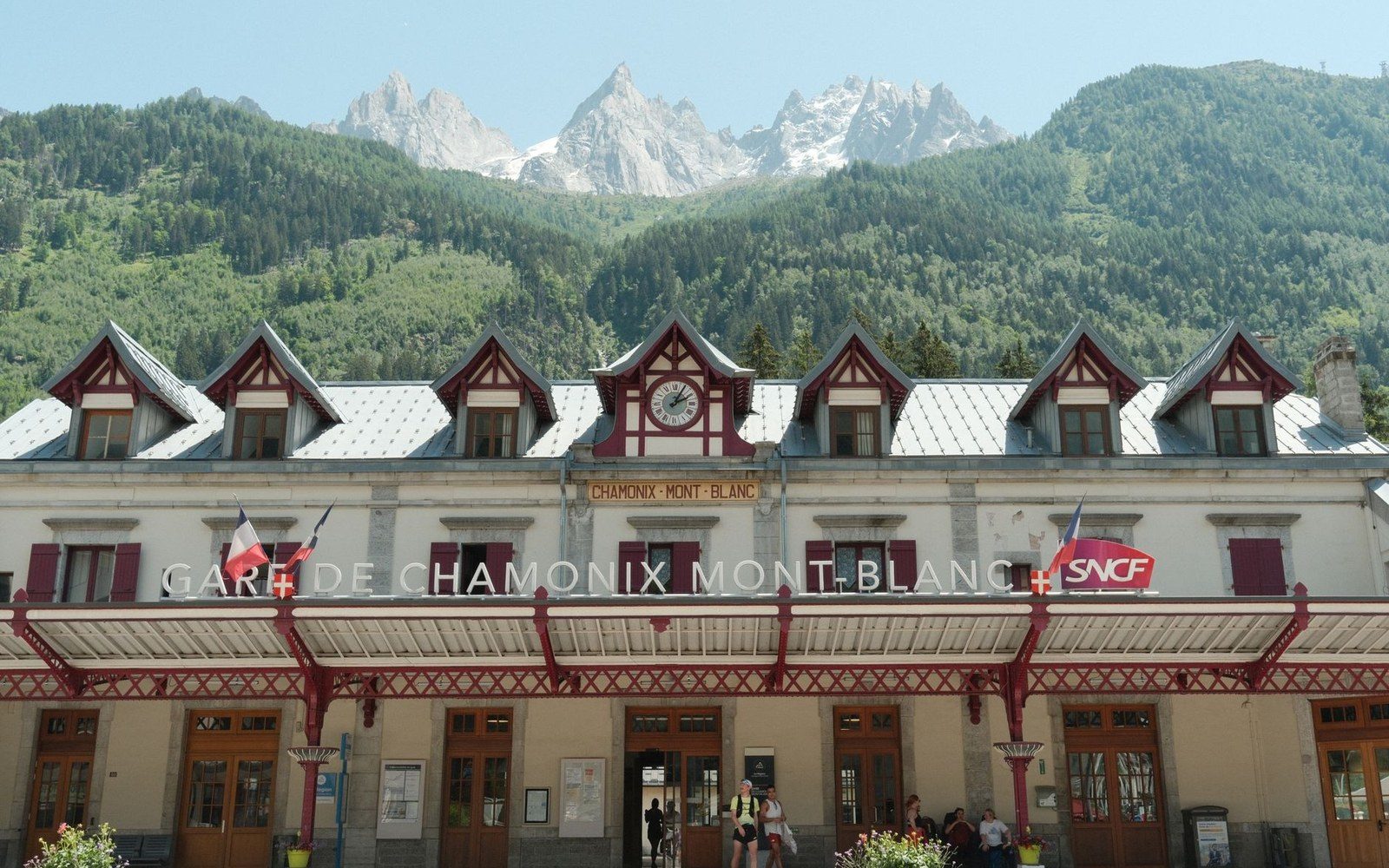
The Compagnie des Guides was founded in 1821, before the resort economy that now surrounds its office.Photo: Scott Barber / Pexels
A Structure Built Before the Lifts
The Compagnie des Guides de Chamonix was founded by prefectoral decree in 1821, making it one of the oldest continuously operating professional bodies in France and the oldest guiding institution in the Alps. Its founding predates the Chamonix ski area, the Aiguille du Midi cable car, and the entire apparatus of the modern resort economy by more than a century. The institution was created not to serve skiers but to regulate the growing trade in summit ascents, principally of Mont Blanc, which had become a significant attraction for wealthy European travellers following Jacques Balmat and Michel-Gabriel Paccard's first ascent in 1786.
The legal architecture that emerged in 1821 set a template that survives, in modified form, today. Access to guiding in the valley was made conditional on membership of the Compagnie, and membership was made conditional on demonstrated competence assessed by peers. That circular structure — the profession regulating entry to itself, under public oversight — remains the defining characteristic of how French mountain guiding is organised. The Compagnie is not a trade union and not a commercial agency; it is a professional body with a statutory basis, closer in character to a guild than to either.
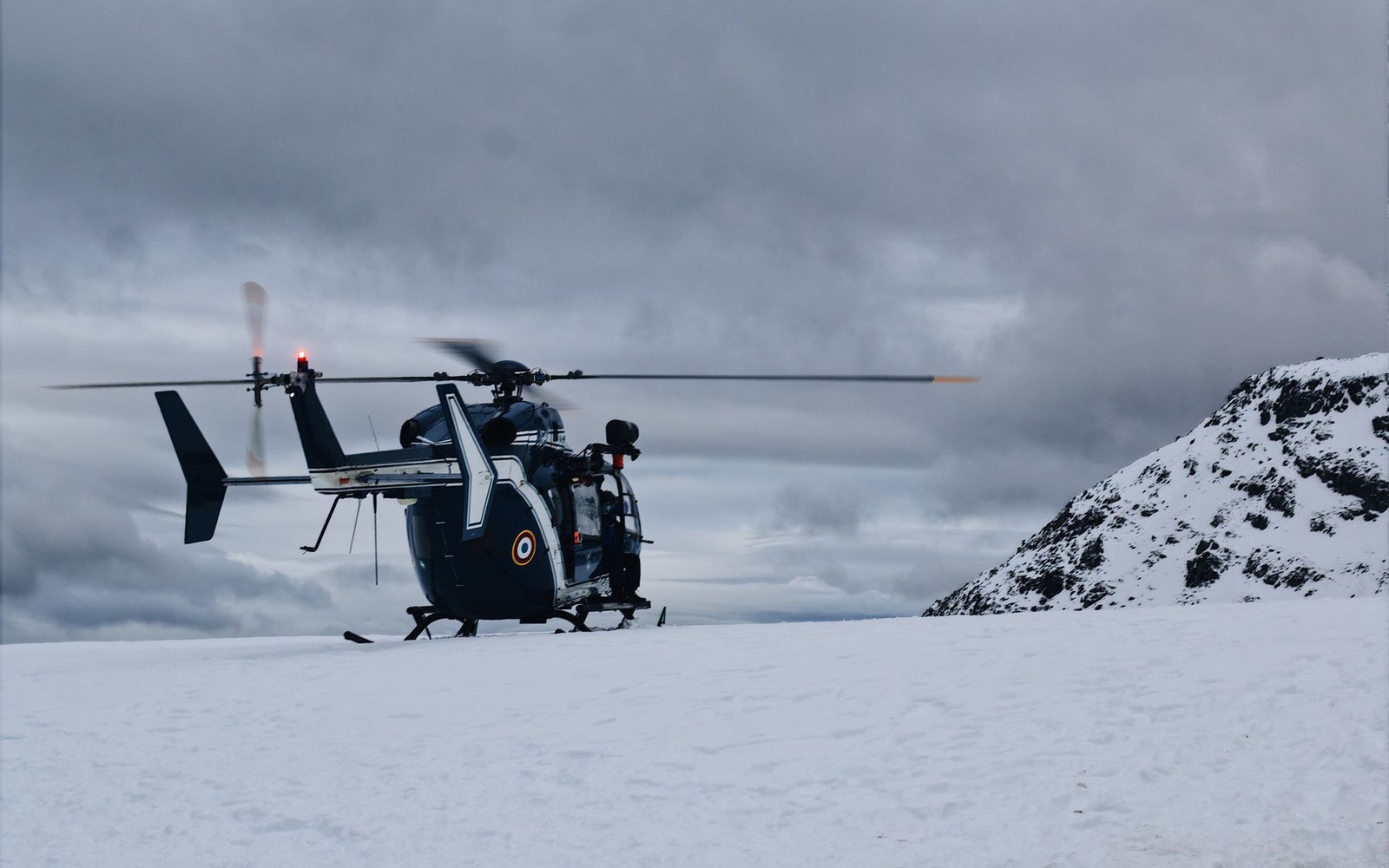
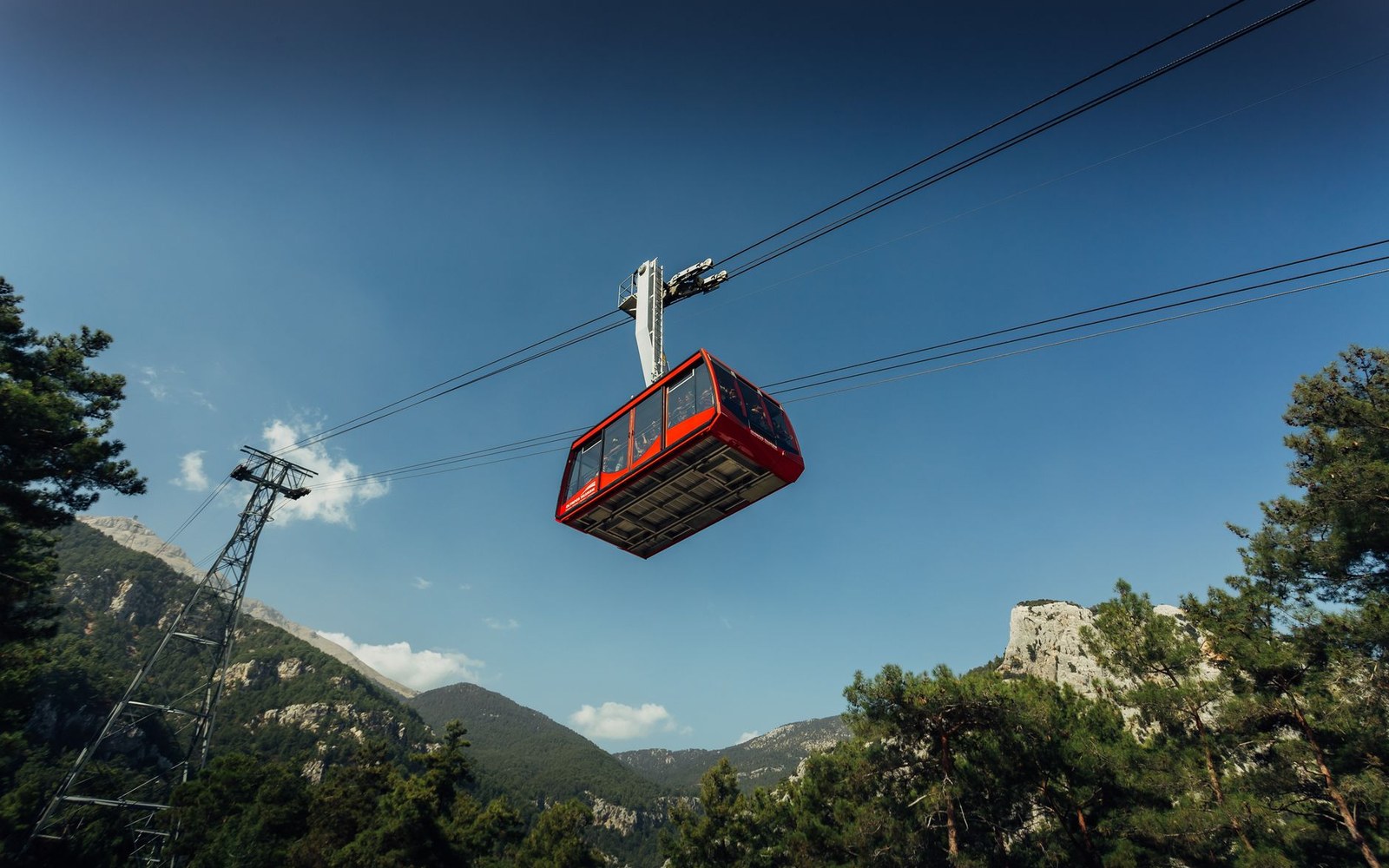
A rescue crew loading at altitude. The PGHM is a gendarmerie unit funded by the state, not by the resorts whose terrain it covers.Photo: Maël BALLAND / PexelsA pylon anchored in bare granite. High on the mountain it is the rock, not the snow, that decides where a lift can stand.Photo: Ilya Lisauskas / Pexels
Guides operating under the Compagnie's flag hold the national guide de haute montagne qualification, awarded by the École Nationale de Ski et d'Alpinisme (ENSA) in Chamonix after a multi-year training and examination process. ENSA, attached to the French state, serves as the national standard-setter for all mountain professions in France, including ski instructors and instructors in other disciplines. The guide de haute montagne certification is among the most demanding in European alpinism, and the Compagnie accepts only holders of that qualification — or candidates completing its own supervised apprenticeship pathway — as members.
How the Institution Operates Today
The Compagnie functions simultaneously as a professional regulator and as a commercial office. From its bureau on the Place de l'Église in Chamonix, it takes bookings, dispatches guides to clients, and maintains the rota of high-season availability that allows visitors to engage a certified professional without a prior personal contact. The bureau system means the Compagnie acts as an intermediary between individual guides and the public, pooling reputation and legal accountability across its membership rather than leaving each guide to operate in isolation.
Liability is a structural concern. A guide working through the Compagnie is covered by collective professional insurance; a guide operating entirely outside it would need to arrange equivalent cover independently and would lack the institutional backing the Compagnie provides in the event of an incident. The PGHM — the Peloton de Gendarmerie de Haute Montagne, France's specialist military rescue unit — operates independently of the Compagnie but in the same terrain and often responds to the same events. The two institutions have distinct legal identities and distinct functions: the PGHM rescues; the Compagnie certifies and deploys. Their coexistence reflects a broader French pattern in which public emergency response and private professional organisation occupy separate, complementary roles.
Key dates and structure
1786
First ascent of Mont Blanc by Balmat and Paccard; catalyst for the guiding trade
1821
Compagnie des Guides de Chamonix founded by prefectoral decree
Qualification required
guide de haute montagne, awarded by ENSA, Chamonix
Operating model: bureau system
centrally dispatched, collectively insured
Legal character
professional body with statutory basis, not a trade union or commercial agency
The Compagnie's membership has fluctuated over the decades with the fortunes of alpinism itself. Summer guiding — classic ridge routes, the Goûter route on Mont Blanc, technical couloirs in the Écrins massif — remains central to its activity, but winter glacier touring, ski mountaineering, and access to the Vallée Blanche have added substantial seasonal volume. The Vallée Blanche, a glaciated descent from the Aiguille du Midi that is neither a marked piste nor a managed ski run, sits in a regulatory category where unguided access is legally permitted but where the Compagnie provides the primary professional service for clients who want it.
What gives the institution its durability is not sentiment but function. The mountain environment around Chamonix does not become safer as the resort infrastructure around it grows more elaborate; if anything, greater lift-served access extends the range at which unprepared visitors encounter serious terrain. The Compagnie's two-century-old answer to that problem — certified professionals, collective accountability, a bureau that pools them — has proved more resilient than the successive economic models that have grown up around it.