The Peloton de Gendarmerie de Haute Montagne is a military rescue service embedded in a commercial mountain economy — and the tension between those two identities shapes everything from its budget to its operational tempo.
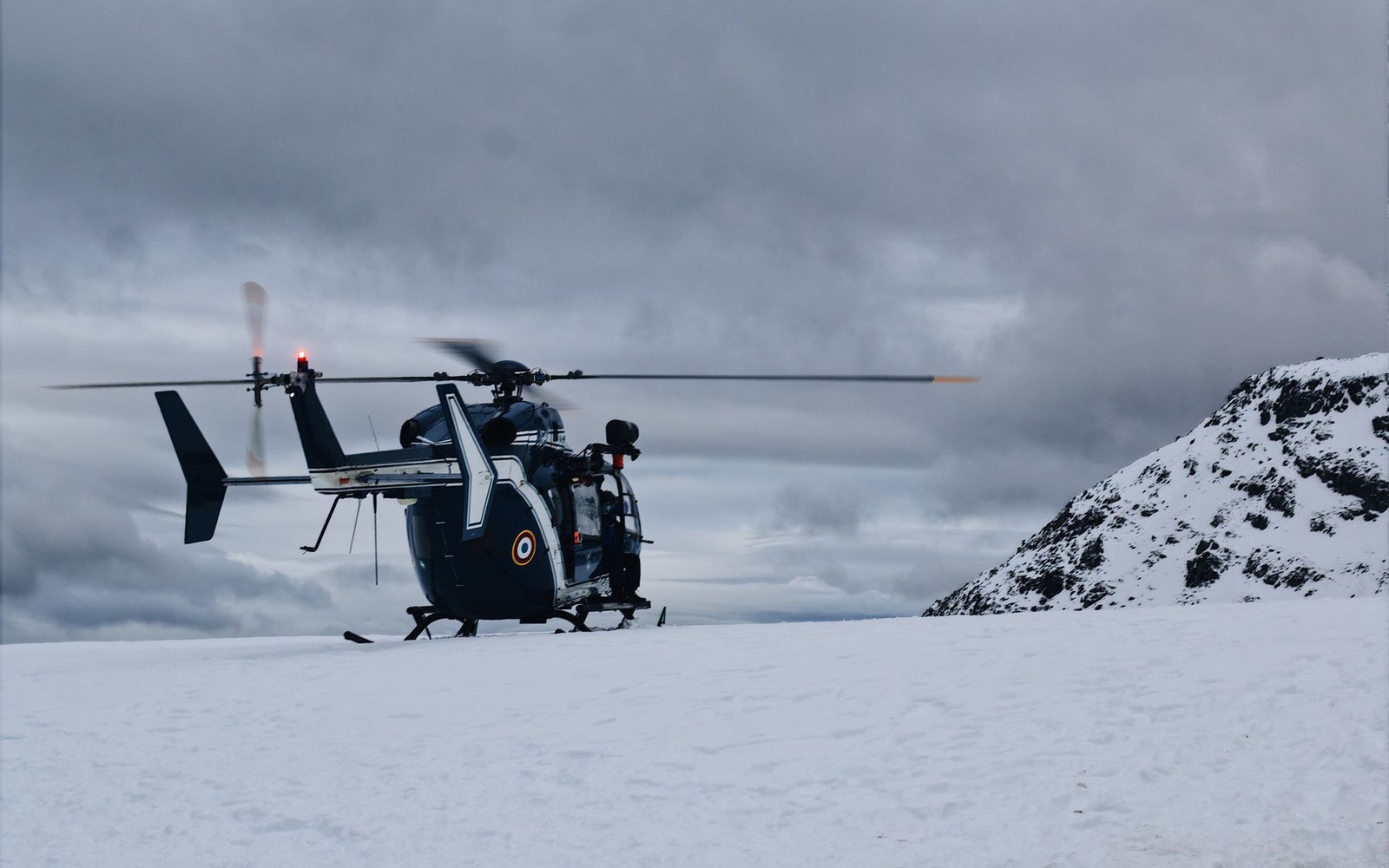
State rescue at altitude: a specialist gendarmerie unit with its own aircraft and its own published intervention record.Photo: Sherine / Pexels
Remit and Structure
The PGHM — Peloton de Gendarmerie de Haute Montagne, the specialist mountain rescue branch of France's national gendarmerie — is not a civilian emergency service with a military adjunct. It is a military unit that happens to perform search-and-rescue work. Its personnel are gendarmes who have completed the French alpine guide qualification or an equivalent certification, trained in high-altitude medicine, crevasse extraction, avalanche rescue and helicopter winch operations. The unit is funded through the defence and interior budget, not through resort operators or regional tourism levies.
The principal PGHM station for the French Alps sits in Chamonix, the natural operational base given the massif's density of technical terrain, the year-round draw of the Vallée Blanche and the volume of mountaineers attempting routes on the Mont Blanc chain. Additional units operate out of stations across the Tarentaise — covering the Vanoise massif and resorts including Val d'Isère, Tignes and Courchevel — and in the Isère and Hautes-Alpes départements, where the Parc National des Écrins and the terrain above Serre Chevalier generate their own case volumes. The PGHM works alongside the CRS Montagne, a separate mountain-rescue branch of the police nationale, but the two services divide territory by département rather than by type of incident.
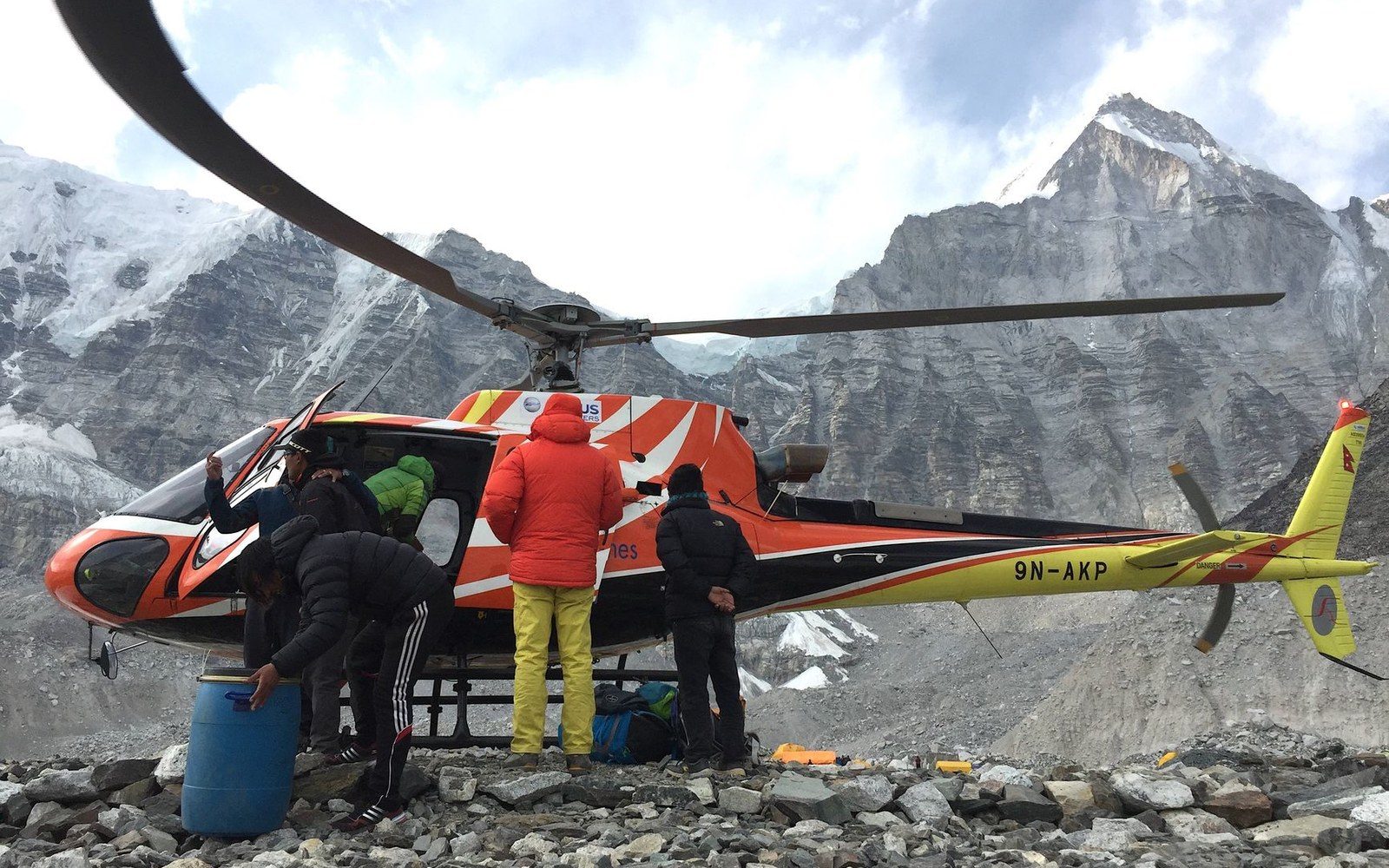
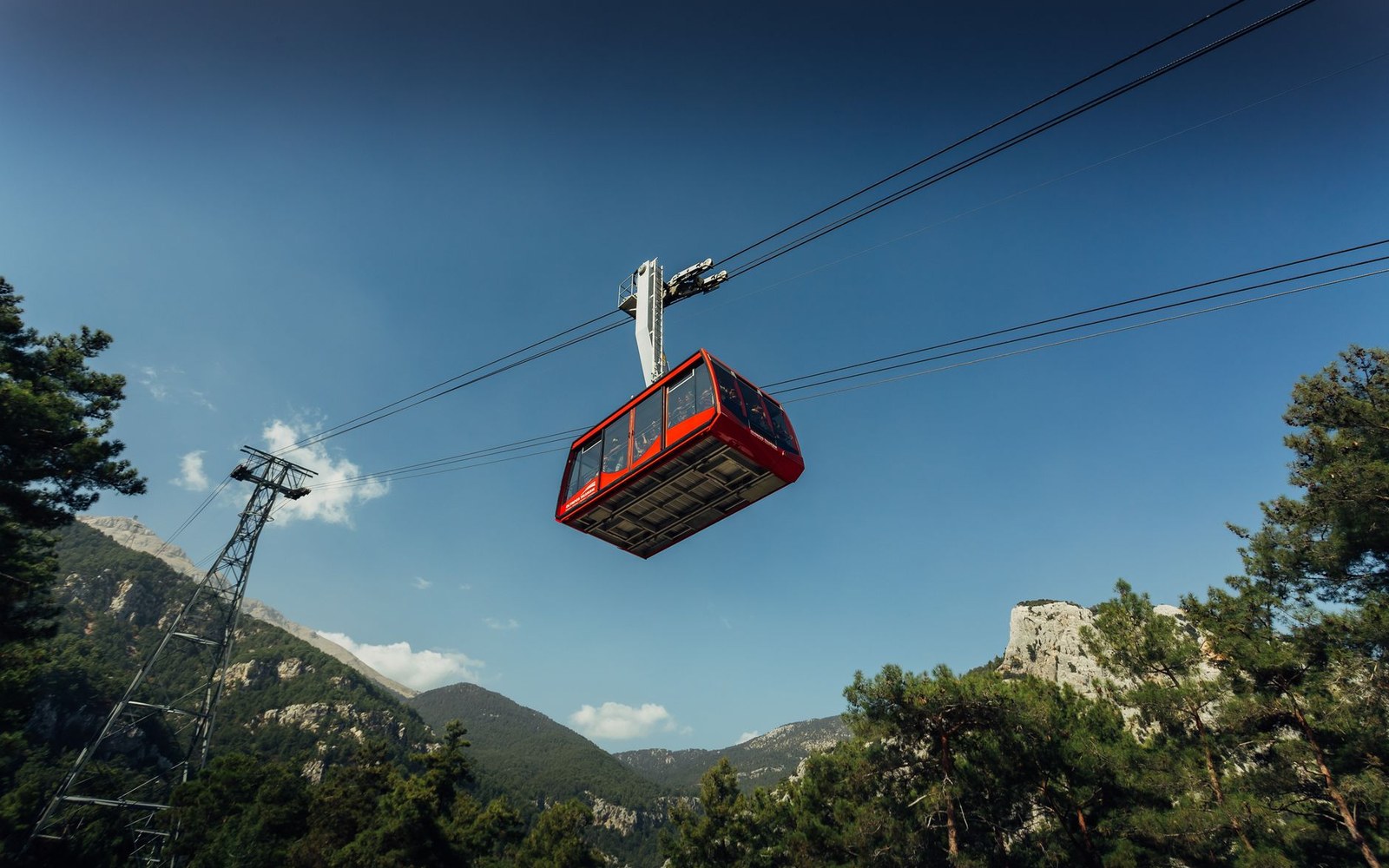
A rescue crew loading at altitude. The PGHM is a gendarmerie unit funded by the state, not by the resorts whose terrain it covers.Photo: Maël BALLAND / PexelsA pylon anchored in bare granite. High on the mountain it is the rock, not the snow, that decides where a lift can stand.Photo: Ilya Lisauskas / Pexels
What the Interventions Show
Published annual figures from the gendarmerie nationale indicate that PGHM units across France carry out several thousand interventions each year, with the Chamonix unit alone accounting for a substantial share. The gendarmerie's own intervention data show the caseload is not evenly distributed by season: summer mountaineering generates a high proportion of serious trauma and fatality cases, while winter produces greater raw numbers driven by ski-area incidents, avalanche burials and off-piste accidents — the last category consistently among the most resource-intensive to resolve.
Helicopter availability is central to the unit's operational capacity. The PGHM does not own its aircraft; it calls on Dragon, the civil security helicopter service coordinated by the préfecture, and on military aviation assets. Response times in the high massif depend on weather windows that close quickly, and the published record of the service reflects that constraint honestly — not every call results in a recovery within the first operational window.
The economics of the rescue system create a structural anomaly that French public debate returns to periodically. The gendarmerie bears the cost of interventions regardless of whether a rescued person was operating within a marked and managed ski area, on a free-access glacier approach, or on a technical route above the snowline. Resort operators hold concessions de remontées mécaniques — fixed-term lift operating licences — granted by communes, and they bear no direct liability for the cost of rescue operations conducted outside their controlled terrain. The Cour des Comptes, France's independent public audit institution, has examined the organisation and cost of mountain rescue services and noted the question of whether the state subsidy embedded in free-at-point-of-rescue provision is appropriately accounted for in the broader mountain economy.
Key figures and facts to pull out
—
PGHM = Peloton de Gendarmerie de Haute Montagne; branch of the national gendarmerie, not a civilian service
—
Personnel hold the French alpine guide qualification or equivalent; trained in high-altitude medicine and winch operations
Principal Alps station
Chamonix, with additional units covering the Tarentaise and Isère/Hautes-Alpes
—
Funded through the defence and interior budget — not resort operators or regional tourism levies
—
Helicopter fleet not owned by PGHM; called on Dragon (civil security) and military aviation
—
Rescue is free at point of use regardless of where in the mountains the incident occurs
Funding and the 2030 Question
The 2030 Winter Games, awarded to the French Alps by the International Olympic Committee at its 142nd session in Paris in July 2024, will concentrate competition at venues already within established PGHM operational zones — the Tarentaise, the Chamonix massif and sites in the southern Alps above Briançon and Nice. The security planning frameworks being developed by the French Alps 2030 organising committee treat mountain rescue capacity as a baseline assumption rather than an incremental budget line, which accurately reflects how the PGHM functions: as standing state infrastructure that the Games will use, at no marginal cost to the organising committee, precisely because French taxpayers already fund it continuously.
That arrangement is not unique to 2030. It has been the condition of every major Alpine event held in France since well before Grenoble 1968. What changes with a Games of this scale is the visibility of the assumption — and, consequently, the likelihood that its cost will be examined with the same scrutiny Météo-France and the Climsnow projections attract when applied to venue viability.