When a ski-lift concession expires, the commune that owns the mountain must answer a question that no operator can answer for it.
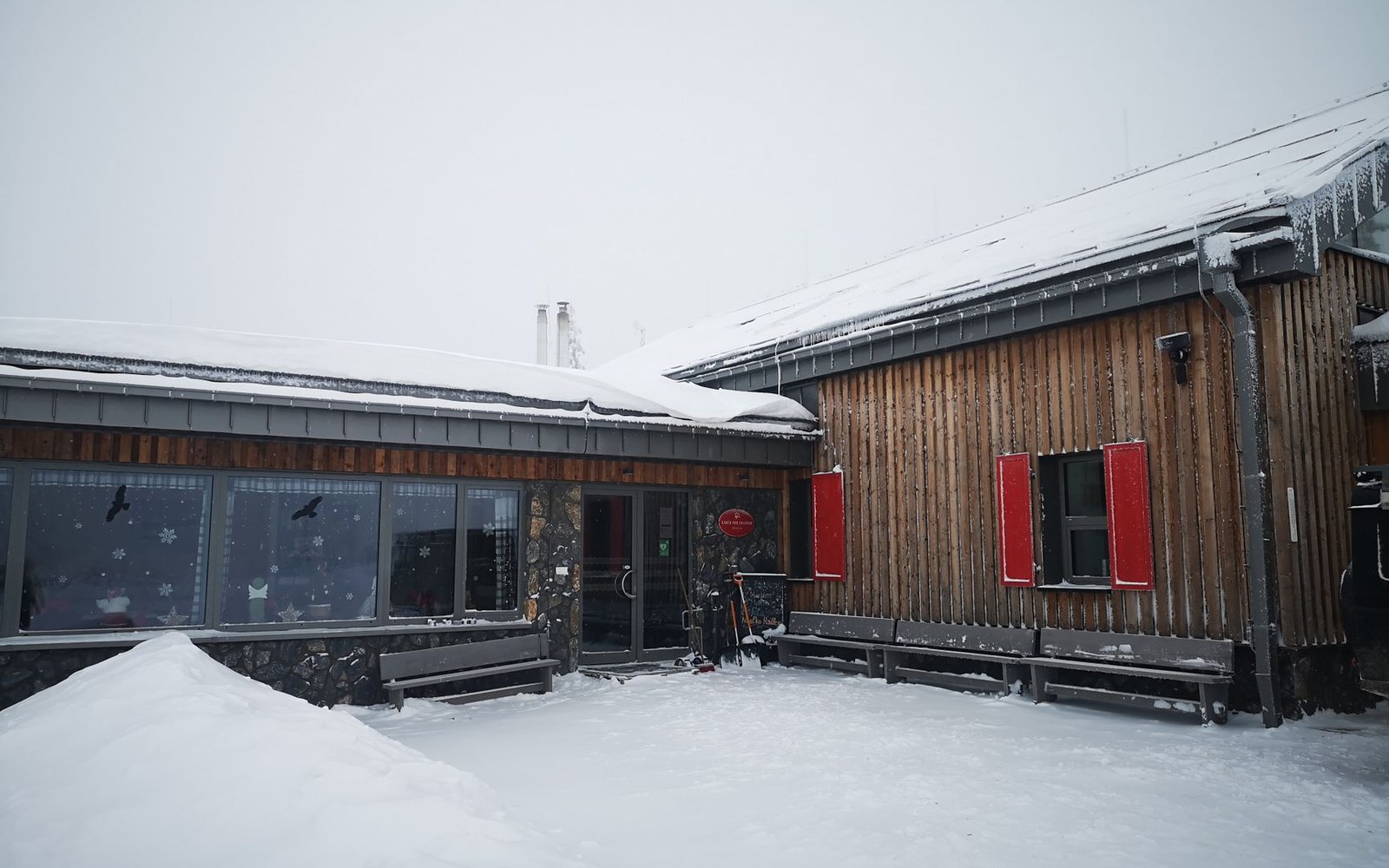
A shuttered terminal. The concession renewal is the legal moment at which a commune decides whether the economics still hold.Photo: Viliam Kudelka / Pexels
The Legal Architecture of the Mountain
Every ski lift in France operates under a concession de remontées mécaniques — a fixed-term licence granted by a commune or intercommunal authority to an operator, giving that operator the right to run lifts on public land in exchange for a share of revenue and a set of maintenance obligations. The land beneath the pistes remains public. The infrastructure — the towers, the cables, the terminals — typically reverts to the public authority when the term expires. What a private operator such as Compagnie des Alpes acquires is not the mountain; it is the right to earn from it for a defined period, usually between fifteen and thirty years.
The concession framework is governed by the French public-service delegation (délégation de service public, or DSP) regime, which requires competitive tendering at each renewal. In practice, many renewals return to the incumbent, but the tender process forces a formal accounting: the operator must demonstrate that the business remains viable, and the commune must decide whether to issue a new licence at all. That decision — to renew, to retender to a rival, or to let the concession lapse — is the legal moment at which decades of accumulated investment and identity can be unwound.
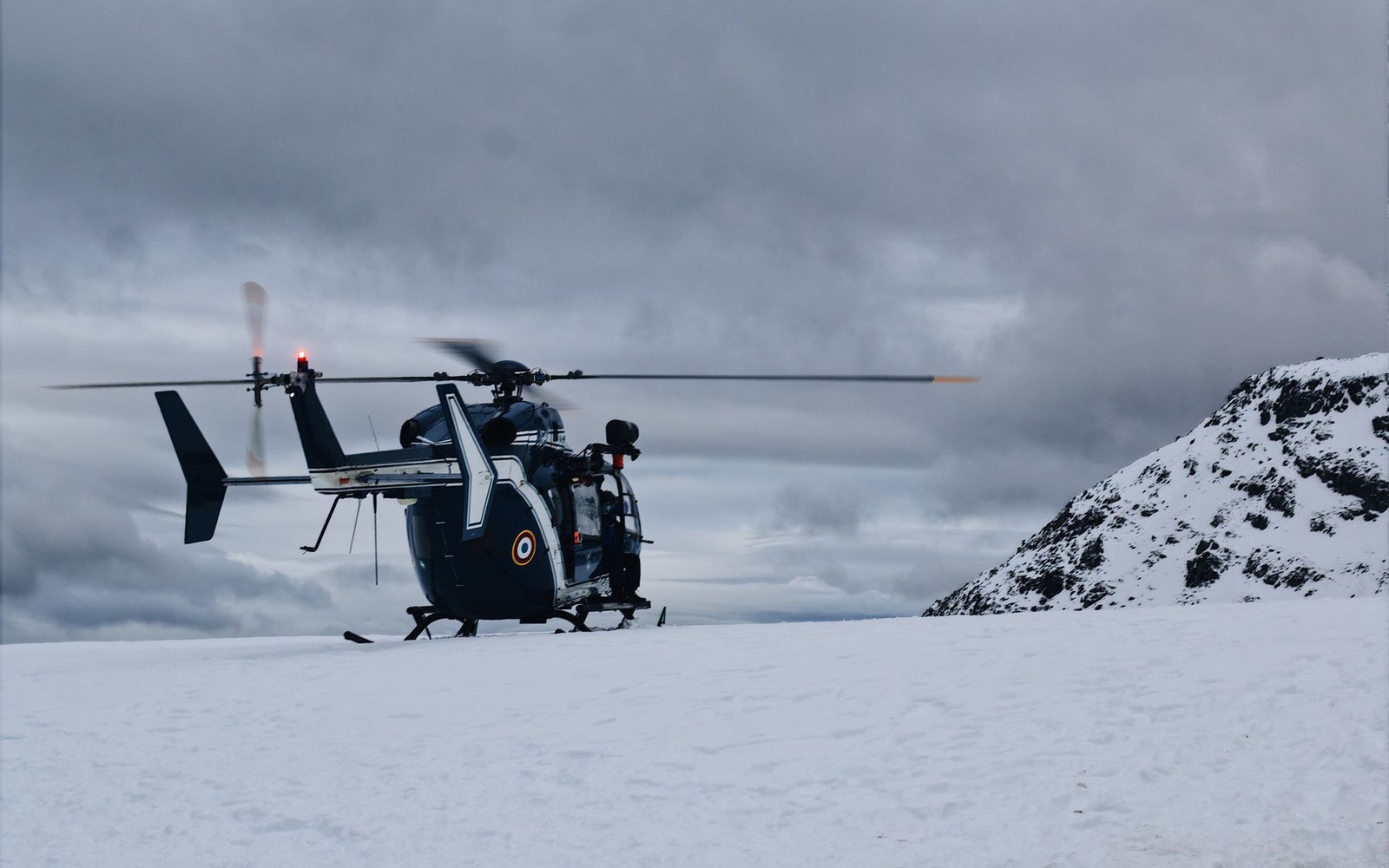
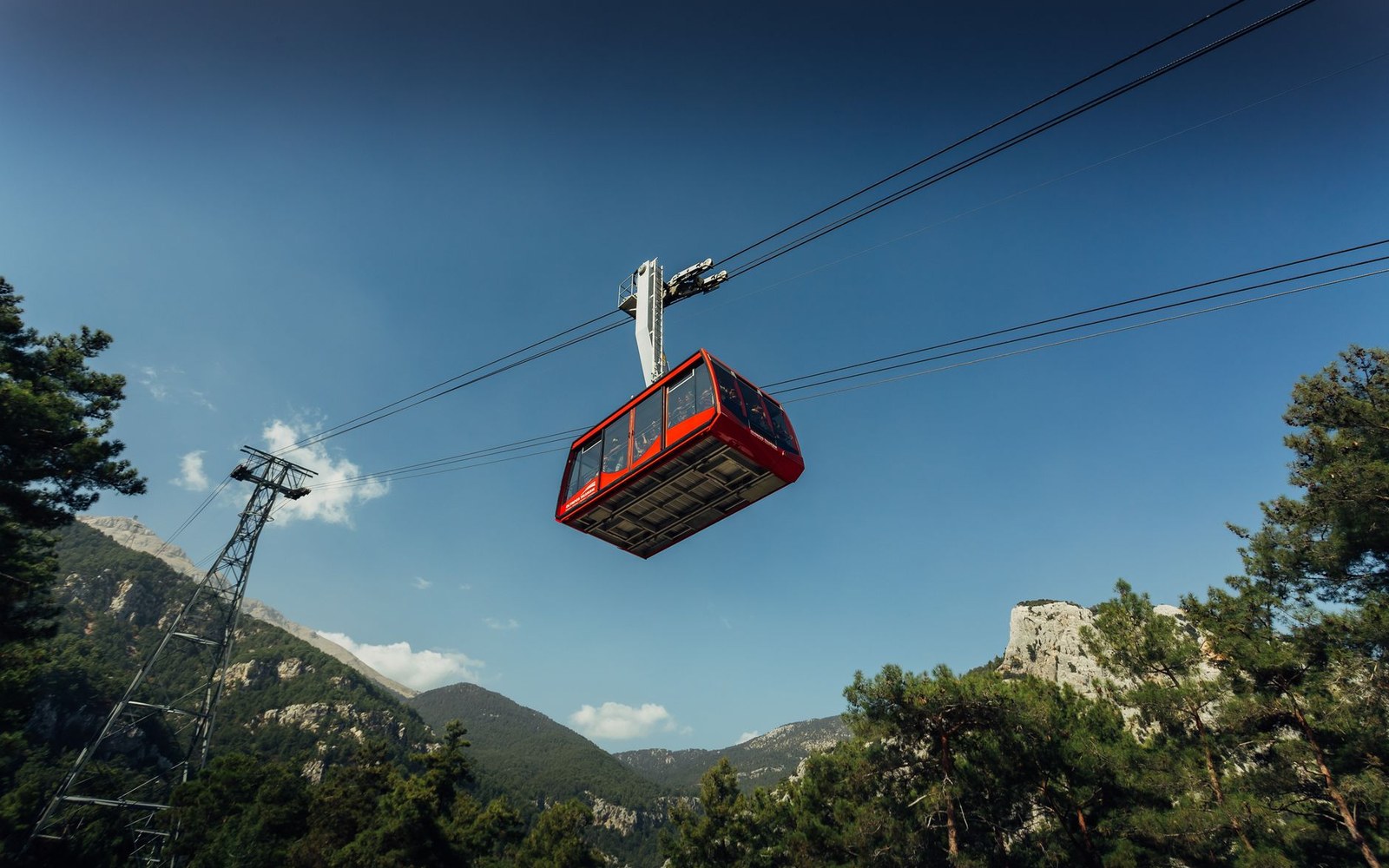
A rescue crew loading at altitude. The PGHM is a gendarmerie unit funded by the state, not by the resorts whose terrain it covers.Photo: Maël BALLAND / PexelsA pylon anchored in bare granite. High on the mountain it is the rock, not the snow, that decides where a lift can stand.Photo: Ilya Lisauskas / Pexels
When the Answer Is No
The fiscal logic of that moment has become harder to sustain at lower altitudes. Météo-France's Climsnow projections, which model snow-cover reliability by altitude, document a rising snow line that squeezes the operating season at sites below roughly 1,500 metres. Shorter seasons compress revenue against maintenance costs that do not shrink proportionally; lift towers, haul ropes and evacuation systems require inspection and certification on fixed schedules regardless of how many days the lifts turn.
The commune of La Morte and its ski area at Alpe du Grand Serre voted in 2024 not to renew operating arrangements, choosing to cease rather than subsidise an activity that the numbers no longer supported. That decision attracted attention precisely because it was public and deliberate rather than the slow administrative death of a site allowed to decay. The infrastructure — lifts, snowmaking, piste machinery — does not disappear when a concession lapses; it sits on public land and becomes a liability. Dismantling a chairlift is not cheap, and the obligation falls on the commune or, where the concession contract requires it, the departing operator.
What Remains
The infrastructure question after a non-renewal has no standard answer. Concession contracts vary in how they assign end-of-term obligations. Some require the operator to restore the land to a defined condition; others transfer the plant to the commune as a going concern, notionally available for a future operator. In either case the commune inherits decisions it may not have the technical staff or the budget to resolve. A retenue collinaire — a hillside storage pond built to supply snowmaking — is a regulated water installation with ongoing environmental obligations; it does not simply revert to a meadow.
Where a commune declines to retender, the political calculus is as much about what comes next as about what is being closed. Mountain communes have limited fiscal bases; the taxe de séjour (tourist accommodation tax) and the revenue share from lift operations are often among the few significant local income streams. A closed ski area does not automatically produce an alternative economy, and the infrastructure left behind — access roads built for piste vehicles, buildings sized for a winter peak — is not easily repurposed. The Cour des Comptes, France's public audit body, has noted in reviews of Alpine public spending that the gap between the cost of initial ski-area development and the cost of orderly closure is rarely accounted for in advance.
The renewal cycle was designed as a mechanism for public accountability. In a period when snow reliability at lower altitudes is measurably declining, it is functioning exactly as intended — not as a guarantee that the lifts keep running, but as the formal occasion on which a commune must say, in public and on the record, whether they should.