Cran-Gevrier France
The Mountain04

The Mountain · Guides / Lifts / Rescue

The Aiguille du Midi and the Route Below It

The highest cable car in the French Alps carries passengers to a point where the ski area ends and a glacier begins.

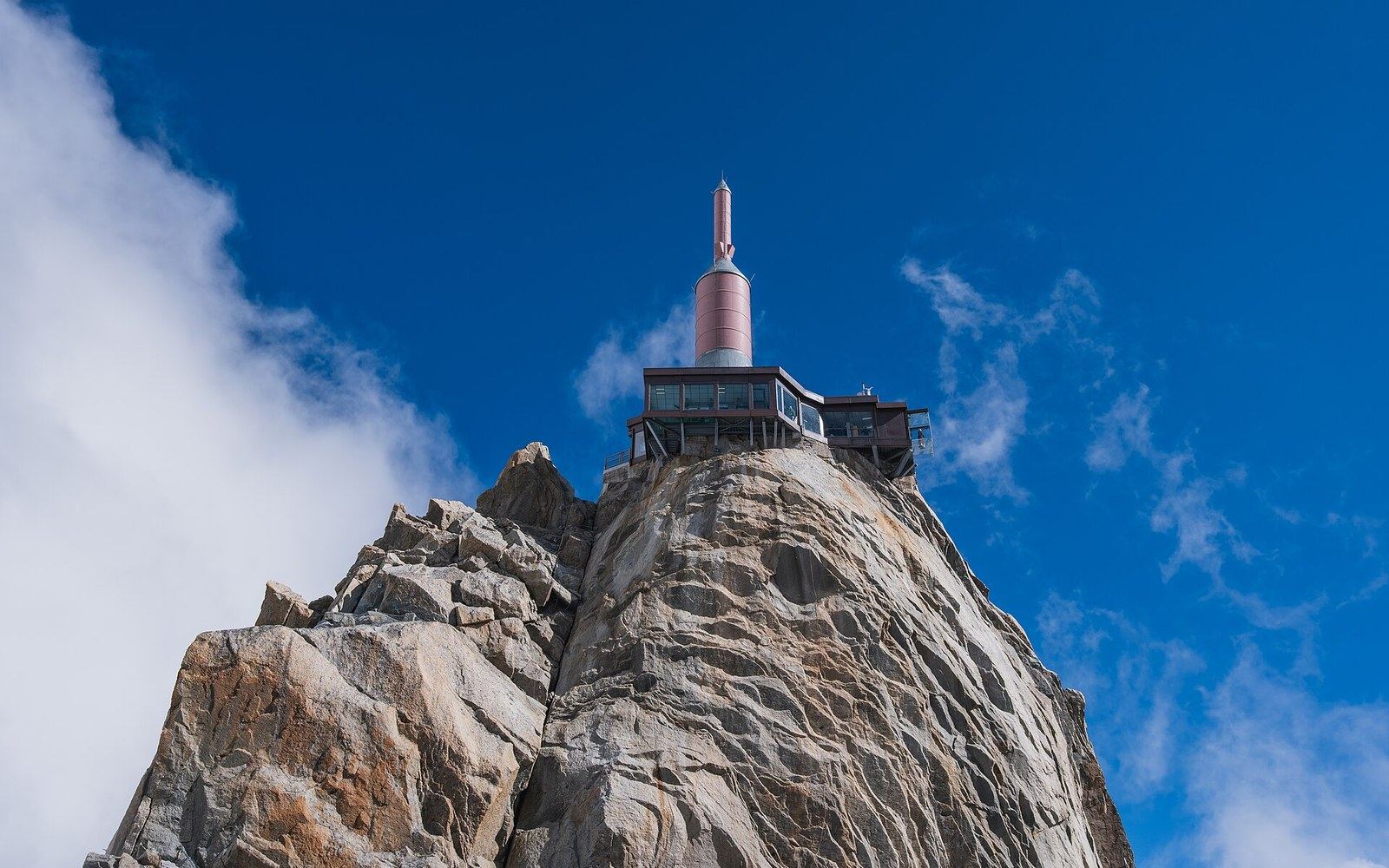
Observation deck and antenna tower perched atop the rocky Aiguille du Midi summit
The Aiguille du Midi station at 3,842 metres — the lift that puts an unpatrolled glacier route within reach of a morning.Photo: Aiguille du Midi, Top of Piton Central, Chamonix, Haute-Savoie · Wikimedia Commons

Infrastructure, Geography, and the Guide Requirement

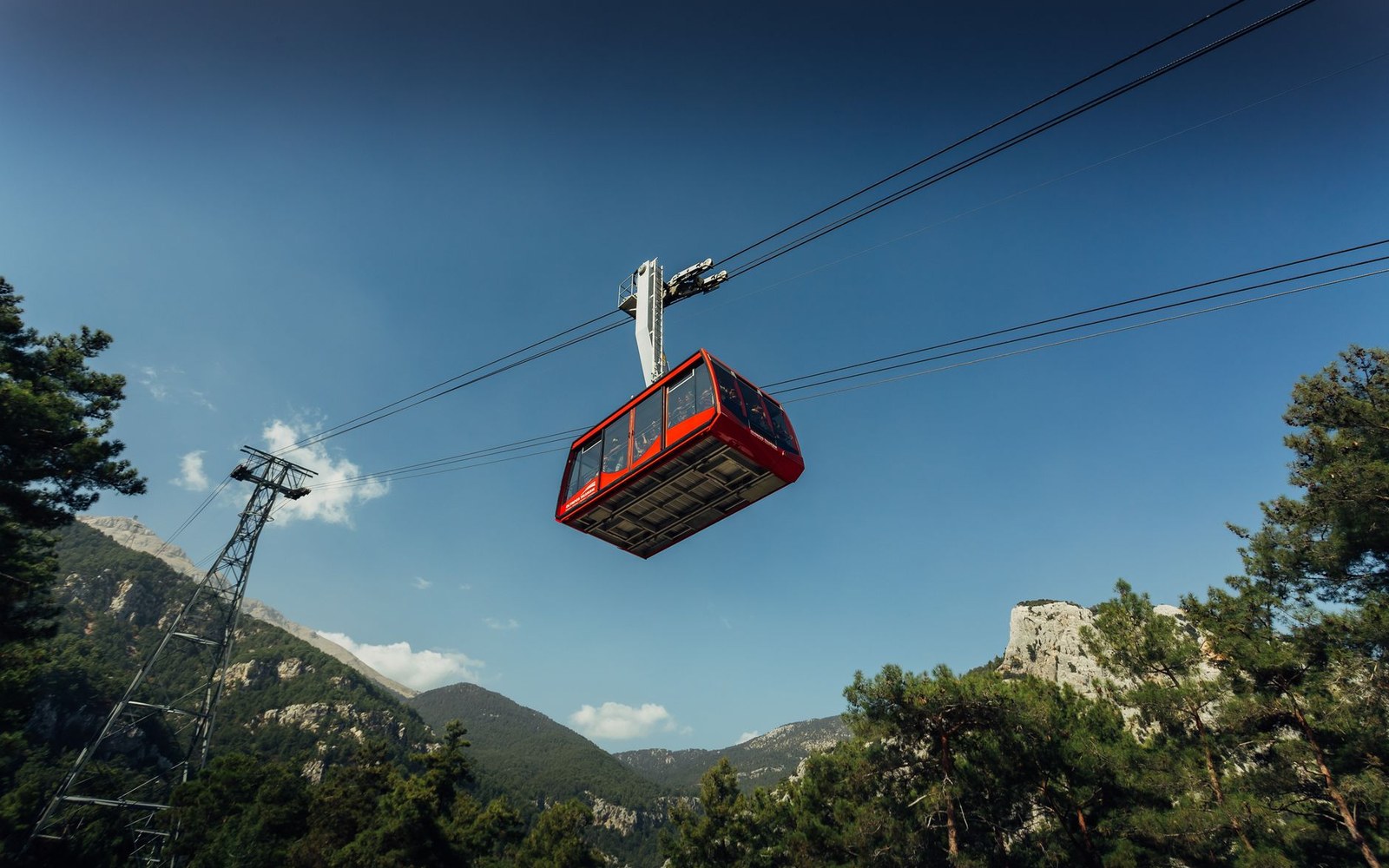
The Aiguille du Midi cable car, operated by the Compagnie du Mont Blanc, climbs from Chamonix at 1,035 metres to a summit station at 3,842 metres in two stages, covering a vertical rise of more than 2,800 metres. It is the highest cable car in the French Alps and one of the highest in the world. The infrastructure dates to 1955, though the upper section was substantially rebuilt and modernised in the decades that followed. At the top station, an enclosed viewing terrace, a restaurant, and a series of tunnels cut through the granite needle serve the several hundred thousand visitors who make the ascent each year.

Below the summit, the Vallée Blanche is not a ski run in any institutional sense. It is a glacier itinerary — a descent of roughly 20 kilometres across the upper Mer de Glace basin — that sits entirely outside the patrolled and groomed domaine skiable of Chamonix. The route crosses crevassed terrain at altitude, and its character changes year to year as the glacier surface shifts. The Mer de Glace, which the Vallée Blanche ultimately feeds, is the largest glacier in the French Alps and carries a well-documented record of retreat; the approach from the Aiguille du Midi ridge has grown longer and steeper as the snow surface has lowered.
The guide requirement for the Vallée Blanche is not a resort rule but a function of what the terrain is. Clients are roped and led by a licensed mountain guide, a profession regulated under French law and represented locally by the Compagnie des Guides de Chamonix, founded in 1821. The rope is not a formality: the upper arête — a narrow snow ridge from the cable-car exit — requires crampons and careful movement before skis are put on, and crevasse hazard below means that an unroped fall into a concealed void is a real and documented risk.

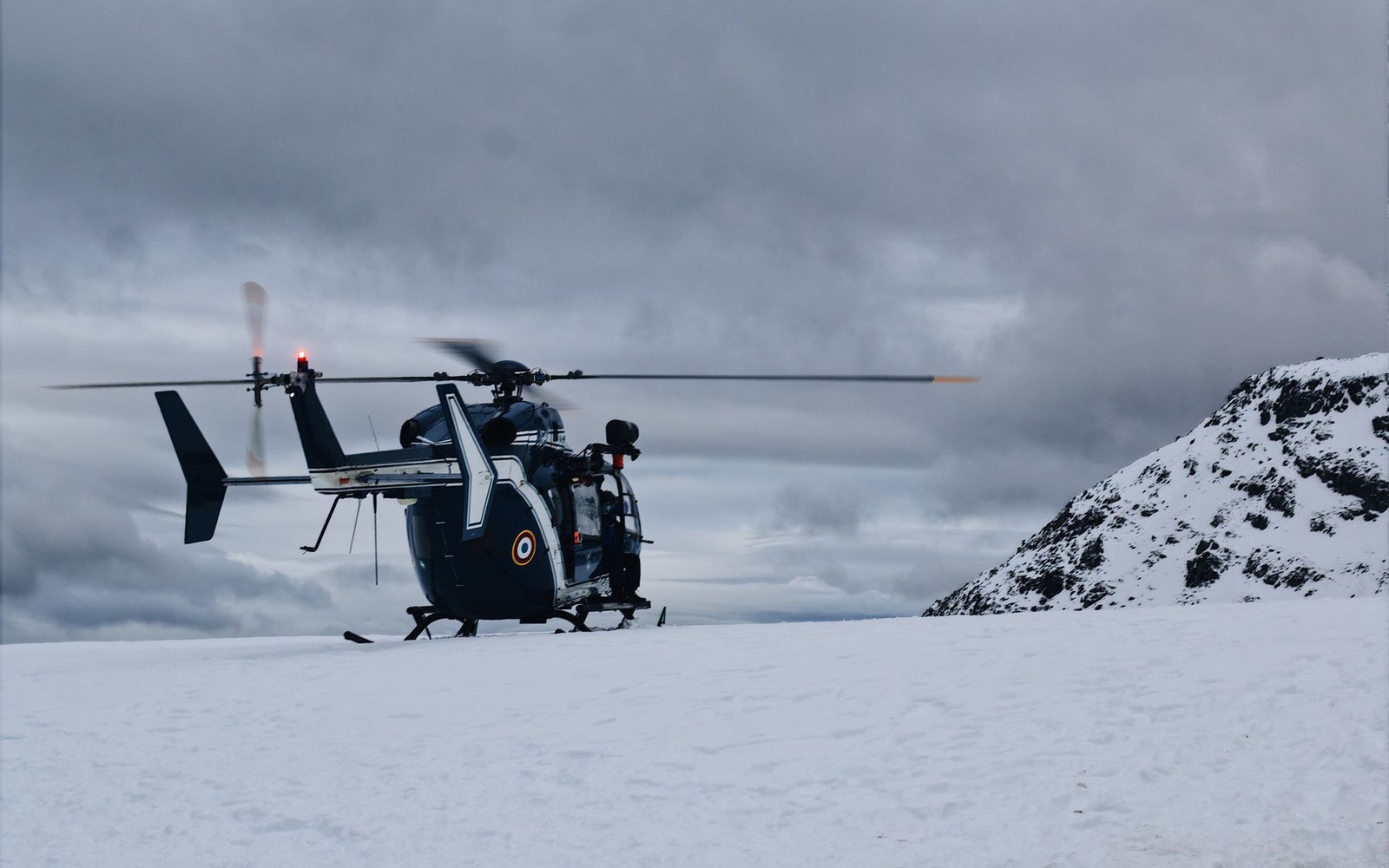
Mountain rescue on the Vallée Blanche falls to the PGHM — the Peloton de Gendarmerie de Haute Montagne, the specialist military unit based in Chamonix — which responds to incidents on unpatrolled terrain throughout the massif. The PGHM's Chamonix unit is among the busiest in France, operating year-round by helicopter and on foot across terrain that the resort's own patrol does not cover.

The cable car is lift infrastructure. The route below it is something else: a glacier approach managed through professional guidance rather than grooming, patrol, or resort administration.