Seasonal workers circulate through the French Alps each winter in search of beds they cannot reliably find — a shortage that municipal reports and operator statements have documented for years without resolving.
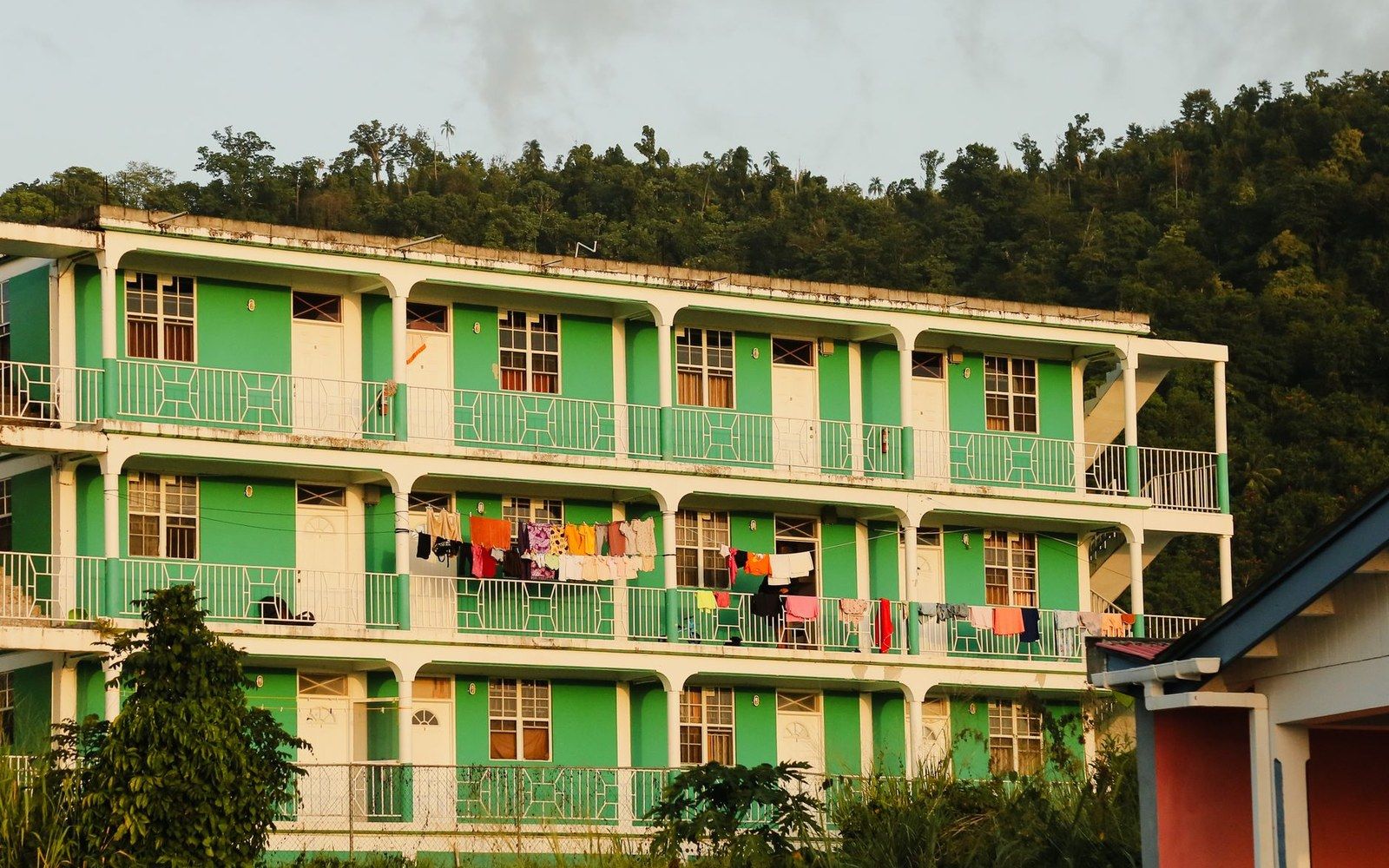
Valley housing stock. The seasonal workforce moves twice a year and competes with tourist lets for the same rooms.Photo: Hiwa Ali / Pexels
A Structural Deficit, Measured and Set Aside
The French Alps run on seasonal labour. Lift operators, pisteurs (piste safety staff), hotel kitchen teams, ski-school instructors and maintenance crews arrive each November and leave each April, then a smaller cohort returns for summer. The circulation is constant; the accommodation is not. Studies commissioned by the Savoie and Haute-Savoie departmental councils, and statements from operators including Compagnie des Alpes, the largest manager of French ski areas, have placed the seasonal worker housing deficit across the main Tarentaise and Maurienne valleys at several thousand beds — a figure that has grown as permanent residents have converted rental stock into short-term tourist lets.
The mechanism is straightforward: the same mountain apartment that earns its owner the equivalent of several months' ordinary rent during a single ski week has no incentive to sit at seasonal-worker rates for a five-month winter contract. The short-term rental market, documented in municipal planning reports for Courchevel, Méribel and Val Thorens, has progressively absorbed the mid-range rental inventory that seasonal staff once occupied. The result is a bidding war that workers cannot win.
A hillside storage pond at the end of autumn. Snowmaking draws on water held here, which is why the ponds are permitted separately from the lifts they serve.Photo: Laura Manzi / PexelsThe turnstile is the instrument behind the industry’s headline figure: it counts passages, not people and not winters.Photo: Harry Dona / Pexels
Where the Shortage Is Sharpest
The pressure is unevenly distributed. Purpose-built high-altitude resorts constructed under Plan Neige — France's state-directed building programme of the 1960s — were designed around tourist beds, not worker beds. La Plagne, Les Arcs and Avoriaz each contain thousands of tourist sleeping units and comparatively few units accessible at non-tourist rates for resident staff. Resort operators have historically provided some employer-owned staff accommodation, but the stock is widely reported as insufficient relative to seasonal headcounts, and it tends to be allocated preferentially to senior or specialist staff.
The shortage pushes workers into valley towns — Bourg-Saint-Maurice for the Tarentaise, Modane for the Maurienne — where private rents have themselves risen under broader housing pressure in the region. The daily commute up mountain roads in winter conditions, on routes that close or delay with snowfall, adds an operational risk that the resorts absorb quietly: a large snowfall can leave morning crews unable to reach their stations on time.
Domaines Skiables de France, the industry federation that publishes the headline skier-day counts each season, has acknowledged workforce housing as a constraint on the industry's ability to staff at full capacity on peak-demand days. This is not a marginal issue: staffing gaps translate directly into slower lift throughput, longer queues and reduced domaine skiable performance.
Chronology of pressure points
1960s onwardPlan Neige resorts built with tourist beds, not worker beds, as the planning priority
Post-2015short-term rental platforms accelerate conversion of mid-range rental stock in Tarentaise and Maurienne valleys
20242030 Games planning documents reference seasonal accommodation without resolving cost allocation
2024–25 seasonno regulatory mechanism has reversed the short-let premium in the mountain context
The 2030 Attention and Its Limits
The approach of the 2030 Winter Games has brought renewed official attention to the question. The French Alps 2030 organising committee and the municipalities around the Espace Killy venues — Val d'Isère and Tignes — are among those that have referenced seasonal accommodation in planning documents, given that the Games will require a temporary concentration of operational staff at existing venues rather than purpose-built Olympic facilities. What temporary labour accommodation for Games operations would look like in practice, and who bears the cost, had not been settled in publicly available documents as of the latest planning cycle.
The Cour des Comptes, France's independent public auditor, has scrutinised Olympic-related infrastructure spending in detail, but worker housing falls below the threshold of capital expenditure that typically enters audit scope. It remains, as a result, an operational matter without a dedicated public funding line — documented in departmental studies, referenced in operator statements, and structurally unresolved.
None of this is concealed. The Haute-Savoie departmental council, the intercommunal authorities around Annecy and the municipalities of the major resorts have each produced reports naming the shortage. The difficulty is not one of data but of competing financial incentives: the short-term let earns more, and no regulatory mechanism in place as of the 2024–25 season has reversed that calculus in the mountain context.