Cran-Gevrier France
Resorts03

Resorts · Venues / Budget / Precedents

Chamonix, 1924: The Games That Named the Category

The first Winter Olympics were not called that at the time — the IOC applied the designation retrospectively, but the infrastructure it required was real enough.

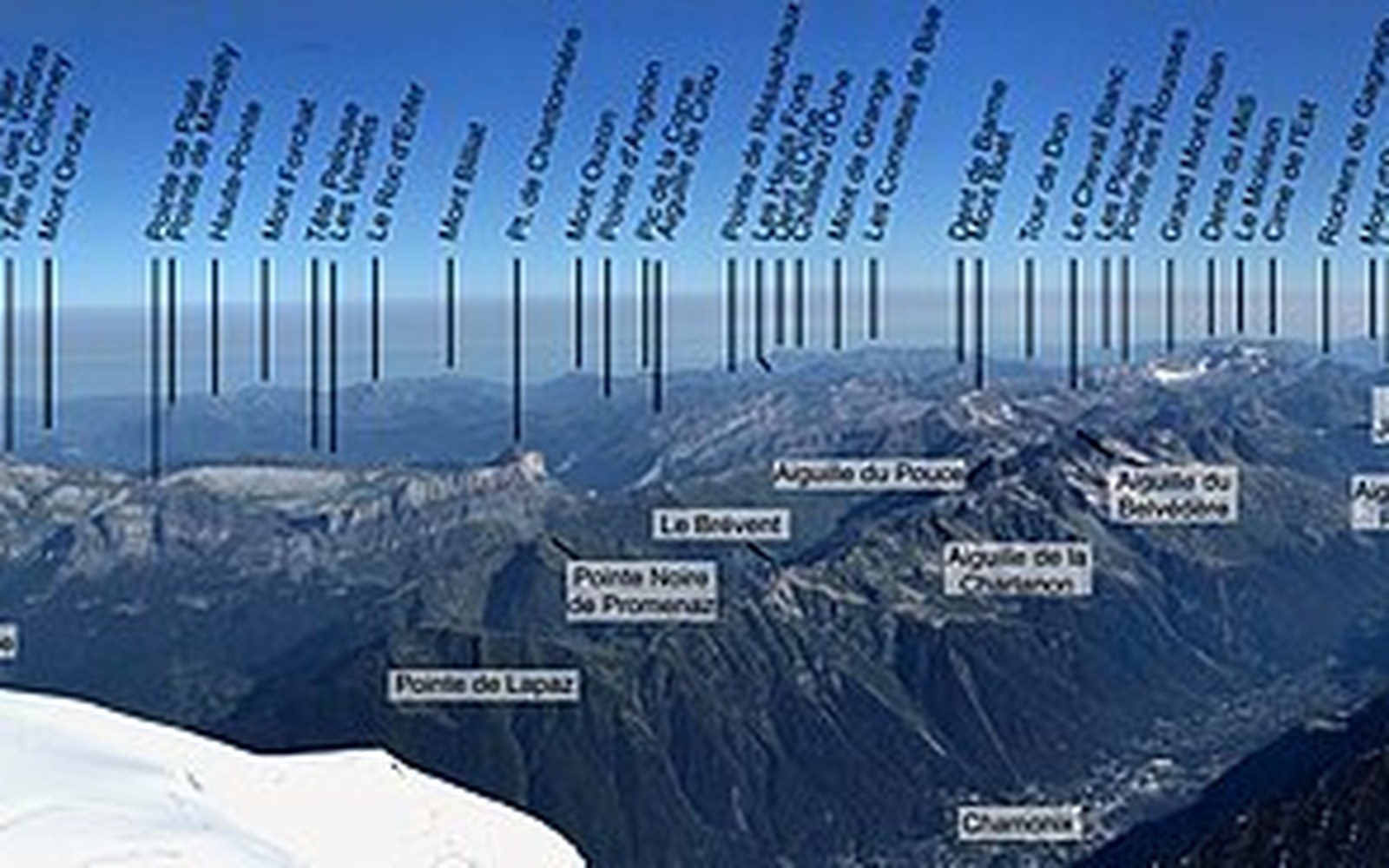
Labeled panorama of Alpine peaks surrounding Chamonix, identifying each summit by name
Chamonix took the first Winter Games with a programme largely built out of what the valley already had.Photo: Mont Blanc Panorama beschriftet · Wikimedia Commons

What the Valley Held and What It Built

The event that opened in Chamonix on 25 January 1924 was styled the Semaine Internationale des Sports d'Hiver — the International Week of Winter Sports — and run under the auspices of the French Olympic Committee. Sixteen nations competed across disciplines including speed skating, ski jumping, Nordic combined, military patrol and curling. The IOC retrospectively recognised it as the first Winter Olympic Games in 1925, a designation that shaped every institutional argument about winter sport's Olympic standing that followed.

The valley's existing geography did most of the work. The Mont Blanc massif and its approaches provided the terrain for the Nordic skiing and ski jumping events without requiring new mountain infrastructure. The skating competitions took place on a purpose-built open-air rink constructed for the occasion in the town itself — one of the few pieces of dedicated infrastructure the organising committee actually commissioned. A bob run was carved from the local hillside, using natural slope and banked snow rather than refrigerated concrete; it did not survive the season as a permanent facility.
What Chamonix did not need to build in 1924 was, by later Olympic standards, almost everything: no sliding track in the modern sense, no snowmaking, no lift infrastructure beyond what the nascent commercial mountain economy already supplied. The Compagnie des Guides de Chamonix, founded in 1821, was already the valley's dominant mountain institution, and its network and knowledge underwrote the event's operational safety in ways no formal rescue unit yet existed to provide.

The physical legacy was thin by design. The open-air rink was the durable exception; the bob run was not rebuilt. What the 1924 Games left was primarily institutional: a precedent for using existing mountain terrain, a competitive calendar that fixed disciplines later codified by international federations, and a place-name attached permanently to the founding moment of a Games format that Grenoble, Albertville and the 2030 French Alps would each inherit on different terms.