A Decision With a Clause Attached
At its 142nd session, held in Paris in July 2024, the International Olympic Committee confirmed the French Alps as host of the 2030 Winter Games. The award was not unconditional. The IOC required the French state to provide formal financial guarantees before the organisational framework could be treated as settled. In effect, the host was named and the homework was assigned simultaneously.
The condition reflected a structural reality that had complicated the candidacy from early in the process. The French Alps 2030 organising committee had assembled a venue plan — alpine events distributed across the Tarentaise, nordic competitions at sites with an existing competition record, ceremonies anchored at Nice — but the question of which public body would stand behind the costs if the budget overran remained formally open at the moment of the award. The IOC's requirement made that question a precondition rather than a subsequent detail.
The state guarantees followed the award rather than preceding it. Their arrival completed the sequence the IOC had specified: a named host, a stated condition, a satisfied condition. What the guarantees covered — the division of liability between the French state, the regional authorities, and the organising committee — is the subject of ongoing scrutiny. The Cour des Comptes, France's independent public audit institution, has taken a formal interest in the budget structure and the apportionment of financial risk across those parties.
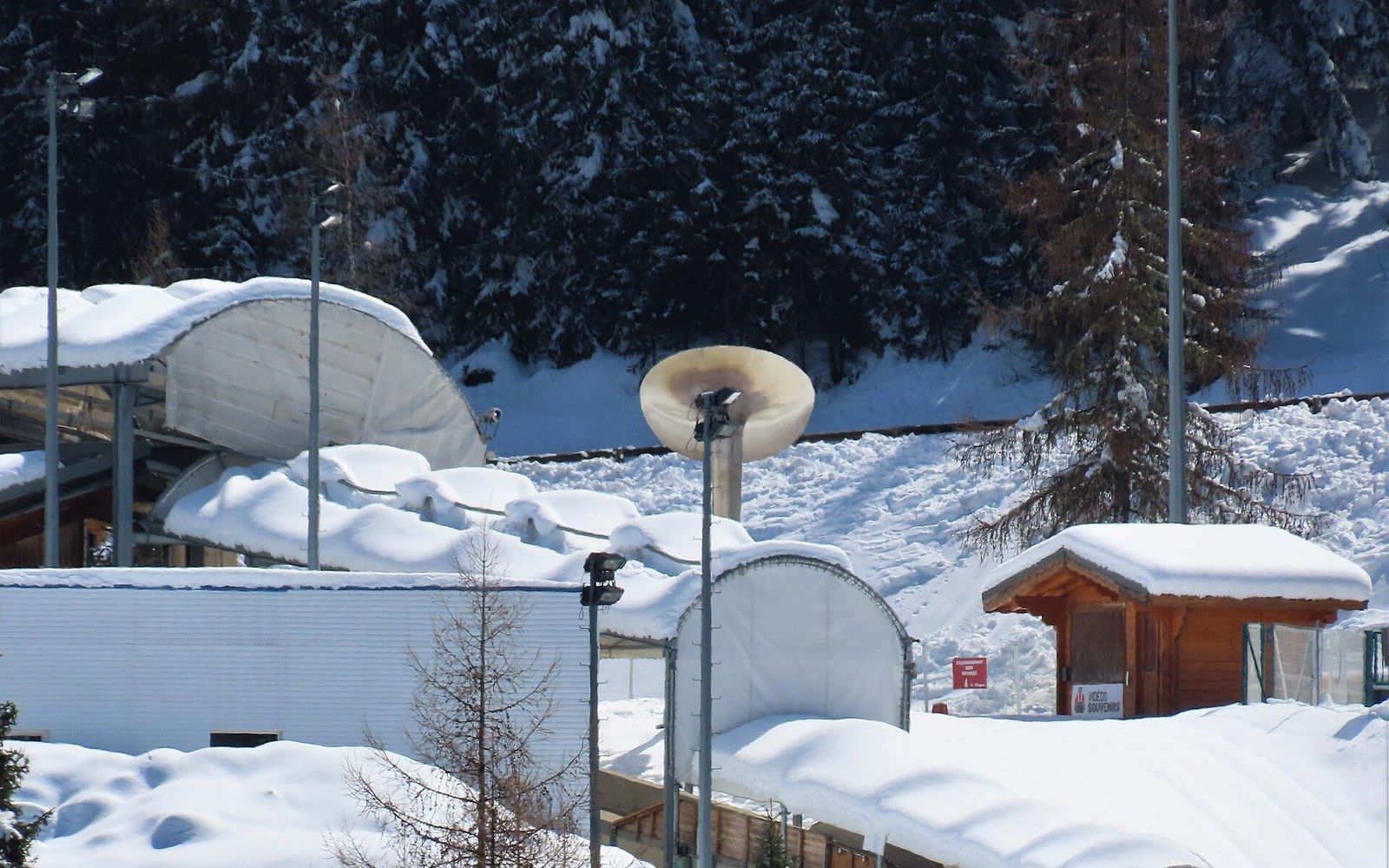
The July 2024 session also left unresolved the question of the sliding track. La Plagne's refrigerated concrete course, built for the 1992 Albertville Games and maintained since, remained the subject of debate about renovation cost, operating liability, and whether the discipline might be served by a venue outside France. That question sat within the broader guarantee framework: any solution requiring new capital expenditure would need to be covered by the financial commitments the state had just been asked to make. The sequence — award, condition, guarantee — did not resolve the hard decisions; it created the structure within which they would have to be made.