The Games · One track, one country, and four disciplines that need it
Refurbish, Build, or Send Them Abroad
Three options have been in public circulation for the 2030 sliding events. Each one is, in a different way, a concession.
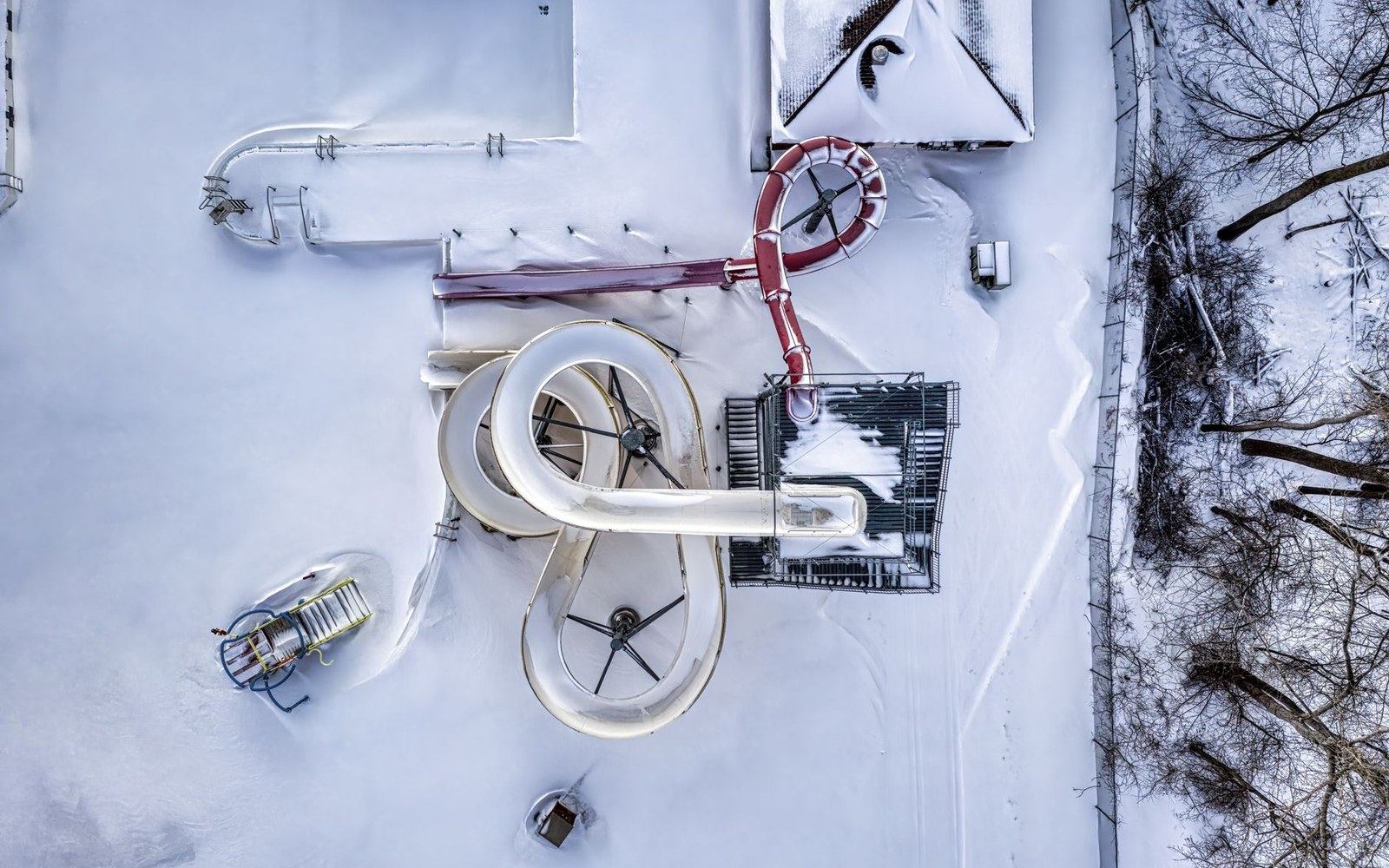
Bobsleigh, luge and skeleton need a cooled concrete channel. Roughly eighteen of them exist anywhere in the world.Photo: Tom Fisk / Pexels
The Track That Already Exists
The La Plagne sliding track — built for the Albertville 1992 Winter Olympics and maintained in the decades since — remains the only refrigerated concrete sliding course in France. It runs bobsleigh, luge and skeleton under ordinary competitive conditions, hosts international training camps, and carries a capital history that no other site in the French Alps can match. For 2030, retaining that inheritance by renovating the facility to current International Bobsleigh and Skeleton Federation standards is the most straightforward argument on the table.
The renovation argument has a cost floor attached to it. Sliding tracks require year-round refrigeration infrastructure, specialist maintenance, and safety upgrades that compound with age. Any 2030-standard refurbishment would need to meet specifications set well above the original 1992 build — a gap of more than three decades in engineering requirements. The French Alps 2030 organising committee has not published a finalised renovation figure, but comparable European refurbishments at existing tracks have run into nine-digit euro sums. The upside is that the asset already exists within the host region, the local workforce and technical culture are established, and the Olympic claim — this is where the sport happens — remains intact.
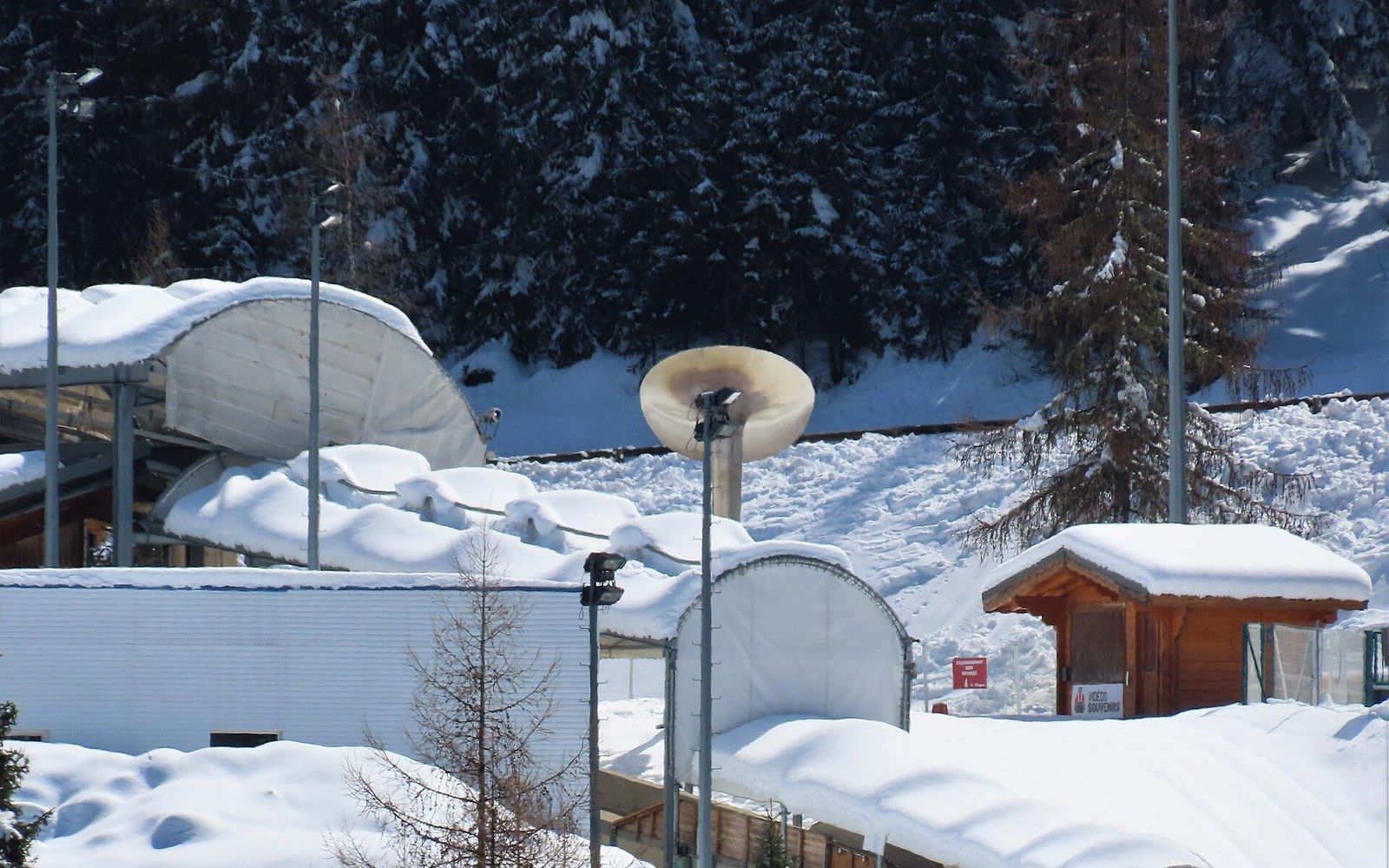
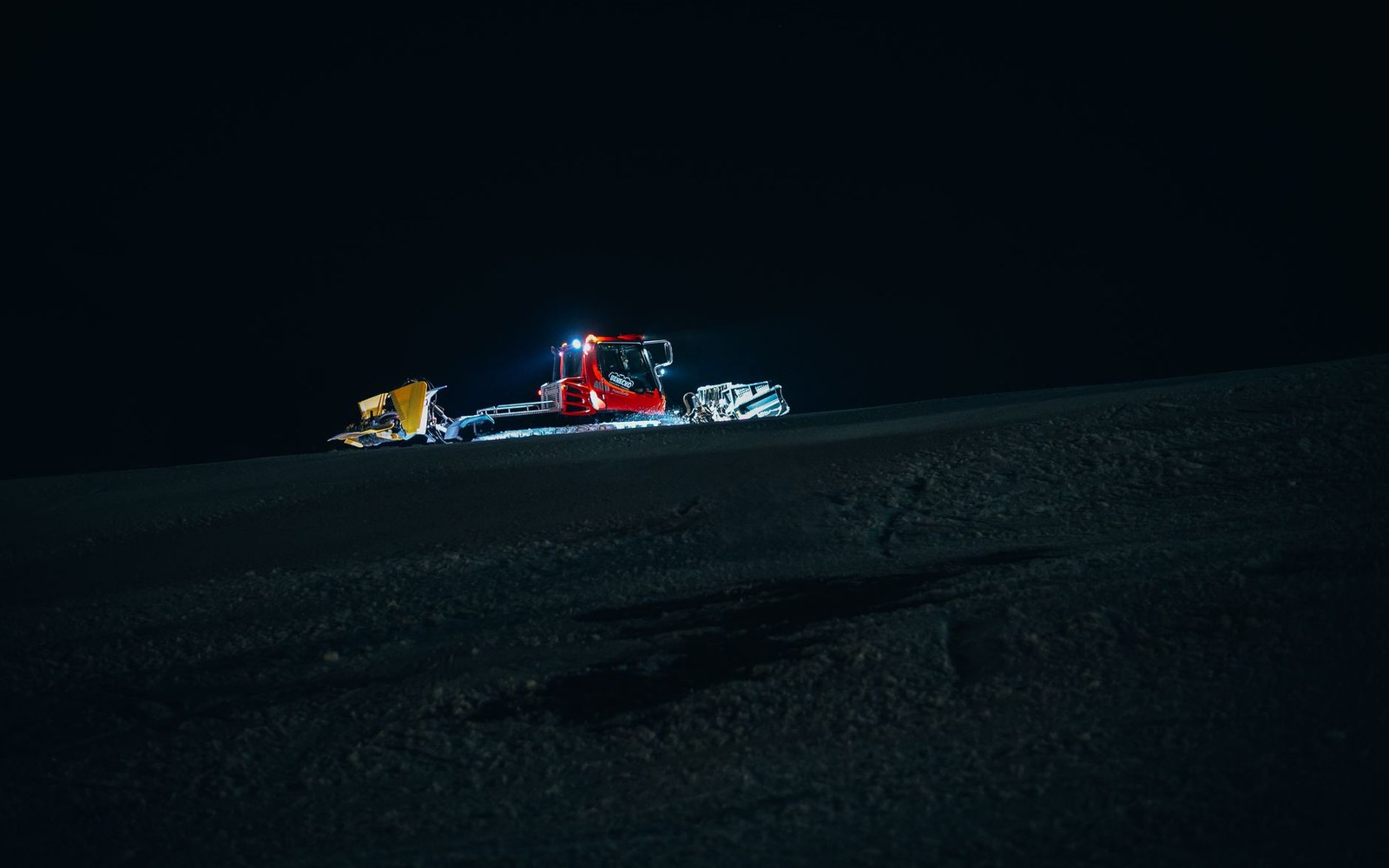
The channel runs about 1,500 metres down the north flank of Bellecôte, refrigerated along its whole length.Photo: Piste de bobsleigh, luge et skeleton de La Plagne 03 · Wikimedia CommonsGrooming begins when the lifts stop. The night shift is one of the largest fixed labour lines in a ski area’s operating budget.Photo: Jan Kopřiva / Pexels
What renovation removes from the equation is the assumption of a clean budget. The Cour des Comptes, France's independent public audit institution, has indicated its intention to scrutinise the 2030 Games budget with particular attention to infrastructure commitments, and a refurbished sliding track represents a line item that cannot be absorbed quietly.
The Cost of Building New
No credible proposal for a new sliding track in the French Alps has advanced to public planning stage, and the economics make it easy to understand why. A purpose-built refrigerated course requires a specific topographic profile — a vertical drop of roughly 100 to 130 metres over a course of approximately 1,500 metres — as well as a site with reliable winter temperatures, road access, and adequate space for start houses, finish zones, and spectator infrastructure. Land at viable sliding altitudes in the French Alps is neither cheap nor plentiful; much of it falls within protected areas governed by the Parc National de la Vanoise or the Parc National des Écrins.
New construction would also import the full cost of a venue that, outside Olympic fortnight, serves a narrow and specialist audience. The global inventory of functioning sliding tracks is already contracting — several European facilities have closed in recent decades because operating costs outran revenue — and the International Olympic Committee has openly encouraged host cities to share or relocate disciplines rather than build new venues with uncertain post-Games futures. A new French track would run directly against that current.
Sending the Events Abroad
The third option — routing the bobsleigh, luge and skeleton competitions to an existing foreign venue — is the one the IOC has shown most structural appetite for, having formalised flexibility over host-city geographic limits through its Olympic Agenda 2020 reforms. Whistler in Canada, Sigulda in Latvia, Innsbruck in Austria, and St Moritz in Switzerland are among the tracks that meet international competitive standards currently. Each would require a separate operational agreement, transport logistics for athletes and officials, and a negotiated revenue split with the host nation.
What this option removes from the French Alps is not infrastructure but presence. Sliding events generate a modest share of total Olympic viewership, but they are part of the spectacle that justifies the host designation. A Games in which the most theatrically distinctive speed disciplines take place in another country is, in competition-rights terms, a different kind of Games from one staged entirely in the host region. The French Alps 2030 organising committee has not formally announced a preference, and the IOC's conditions attached to the July 2024 award leave the question open. What is not open is the arithmetic: each of the three options trades something — money, terrain, or territory — and none of them is free.