Where the Snow Is, and Where It Isn't
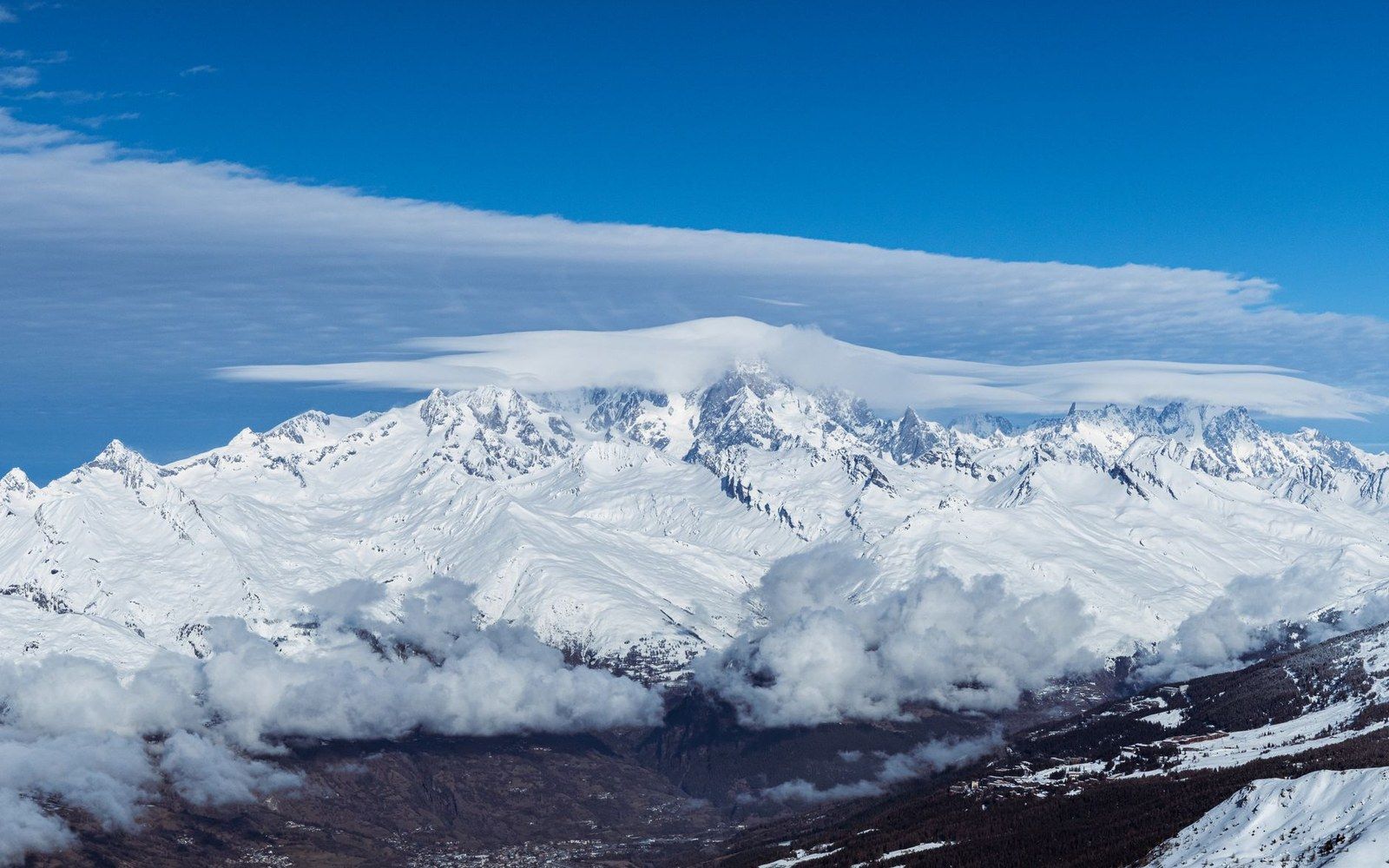
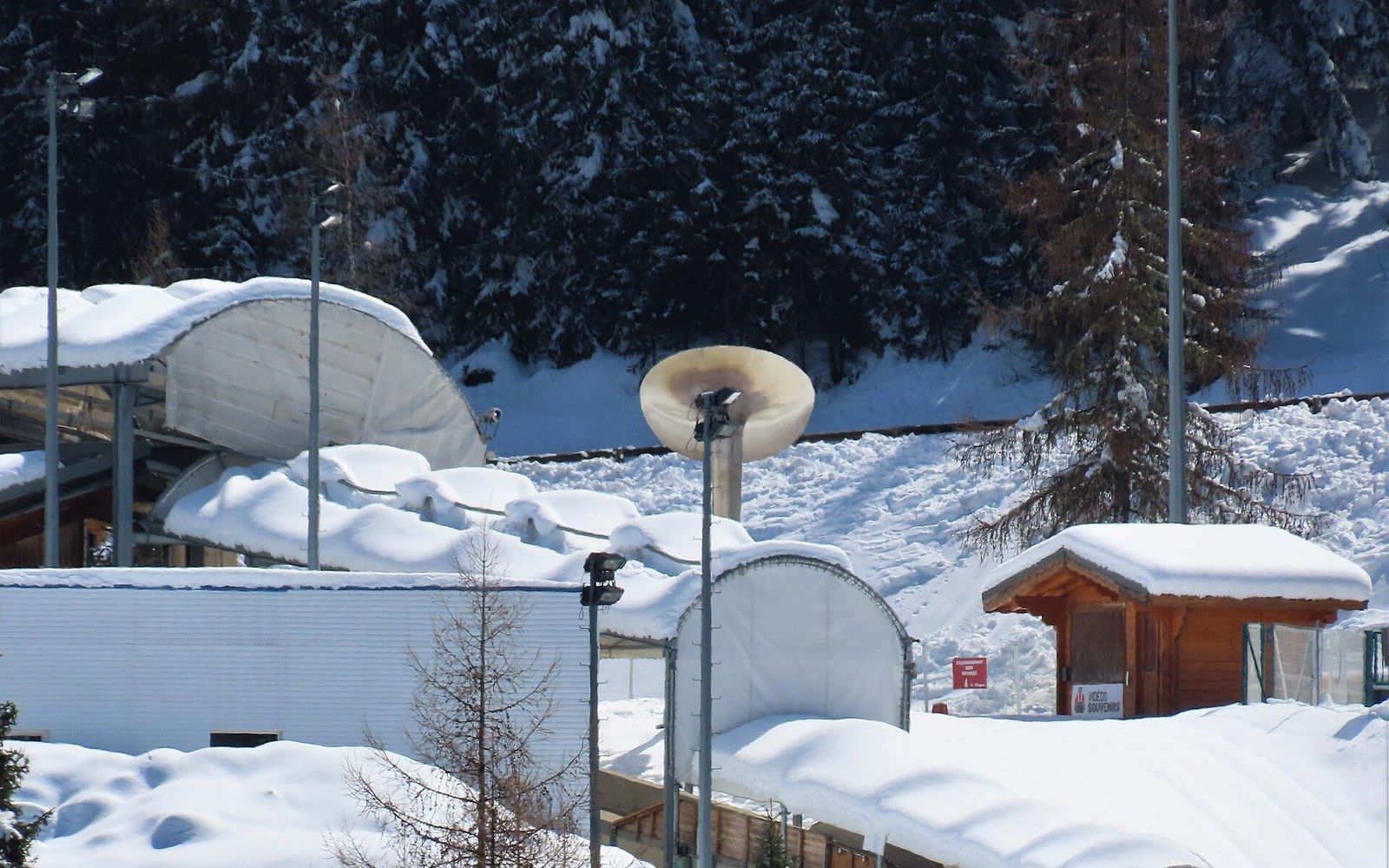
The French Alps 2030 organising committee did not invent the geographic logic of the venue plan; it inherited it. Alpine ski events belong to the Savoie and Haute-Savoie departments because that is where the lift infrastructure, the high-altitude terrain and the operating experience already exist. Val d'Isère and Tignes, operating together as Espace Killy in the Tarentaise valley, sit above 1,800 metres and have hosted World Cup races for decades. Courchevel and Méribel, which together anchor the Trois Vallées — the largest interconnected ski area in the world by piste kilometres, according to Domaines Skiables de France — carry the prestige-event credentials and the modern gondola capacity that a Games programme demands. La Plagne, also in the Tarentaise, holds the one asset no other French resort can offer: a refrigerated sliding track built for the Albertville 1992 Winter Games and maintained in competition-ready condition since.
That track is the geographical hinge of the entire plan. Bobsleigh, luge and skeleton require a refrigerated concrete course running roughly a kilometre and a half downhill, and building one from scratch costs hundreds of millions of euros. La Plagne's survival through three decades of post-Olympic use means the 2030 programme has a sliding venue without a construction budget to match. The Tarentaise therefore contributes not just ski slopes but the rarest piece of winter-sports infrastructure in France.
Nordic disciplines — cross-country skiing and biathlon — follow a different logic. They require flatter valley terrain and groomed loop networks, not altitude. The Nordic venues assigned for 2030 carry genuine competition histories; that record matters to the international federations that evaluate venue suitability and to broadcasters that have built audience familiarity with specific courses. The Hautes-Alpes enter the frame here. Serre Chevalier, above Briançon, has hosted international Nordic competition and sits within a department that connects the northern Savoie massif to the southern Alps by road through the Col du Lautaret.
Briançon, Nice, and the Southern Extension
Briançon's role in the 2030 plan is functional rather than symbolic. At roughly 1,300 metres, the fortified town — the highest in France and a UNESCO World Heritage Site for its Vauban citadel — provides an operational base in the Hautes-Alpes with road connections to Nordic terrain at altitude. Its geography makes it a credible southern anchor for the alpine spine of the Games.
Nice's contribution is categorically different. No mountain department in the French Alps contains a large indoor ice arena; the economics of building and operating refrigerated indoor ice have never aligned with the small, seasonal populations of high-altitude communes. Nice, on the Mediterranean coast, supplies what the mountains cannot: indoor ice infrastructure capable of holding figure skating, short-track speed skating and ice hockey at the scale an Olympic programme requires. The Allianz Riviera arena complex and the Palais Nikaïa have both been referenced in venue planning discussions as existing large-capacity sites. The arrangement is unusual in Winter Games history but not unprecedented — the 2026 Milan-Cortina Games similarly distribute ice events to major urban venues far from the alpine terrain.
The full spread — from the Tarentaise valleys of Savoie to the Côte d'Azur — covers more than 500 kilometres by road. That distance is also the measure of the problem the plan is solving: mountain France has the snow, the lifts and the terrain, but not the indoor arenas or the flat stadium capacity that a multi-discipline winter programme demands. The Mediterranean coast has the infrastructure, the transport links and the hotel capacity that a high-attendance event requires, but no snow. The venue map does not reflect a compromise so much as an accurate inventory of what each part of France actually possesses, drawn to match the demands of a programme that has always been more geographically diverse than the image of a mountain Games suggests.